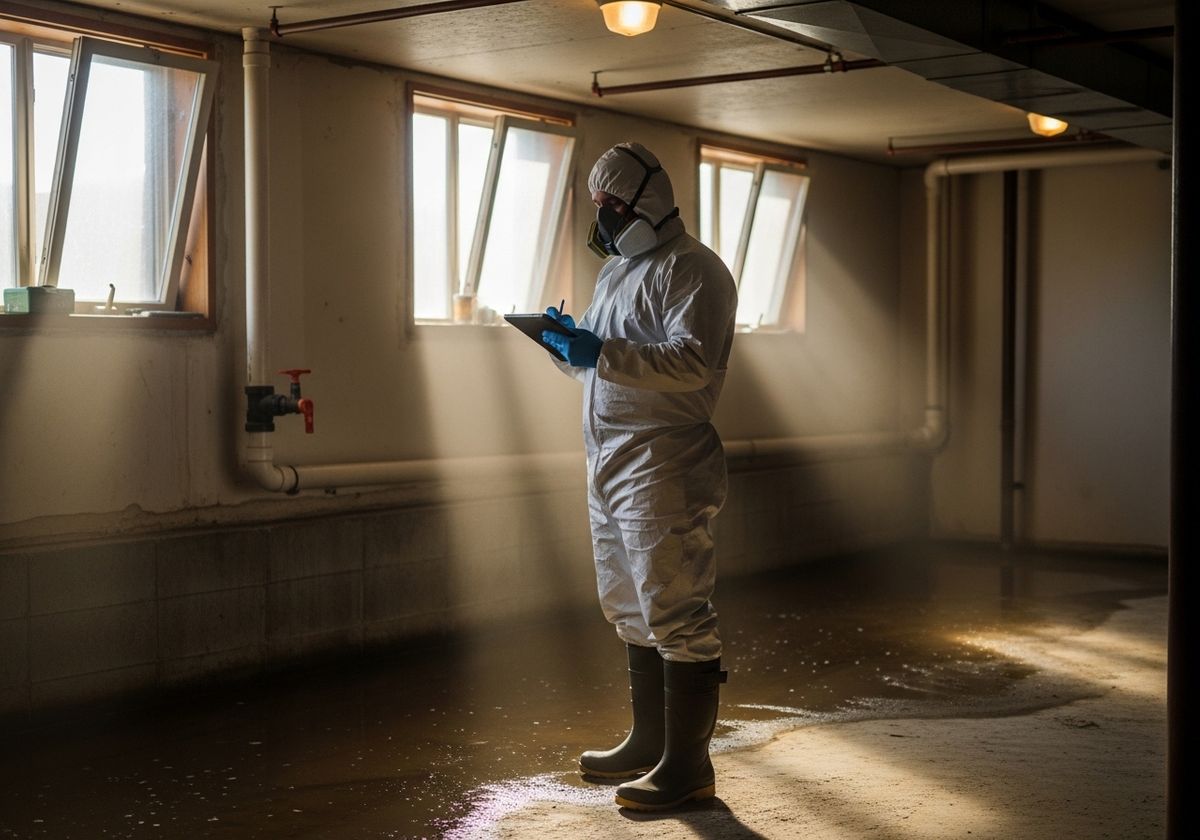
Sewage damage in your basement can be a nightmare, leading to unsanitary conditions and potential health hazards. Understanding the timeline for restoring your basement after such an event is crucial for ensuring the safety and integrity of your Reno, NV, home. Here’s a general overview of what to expect during the restoration process so that you can prepare!
Initial Assessment and Safety Measures
The first step is to assess the extent of the damage and ensure the environment is safe. This involves identifying the source of the sewage, evaluating the affected areas, and taking immediate safety precautions.
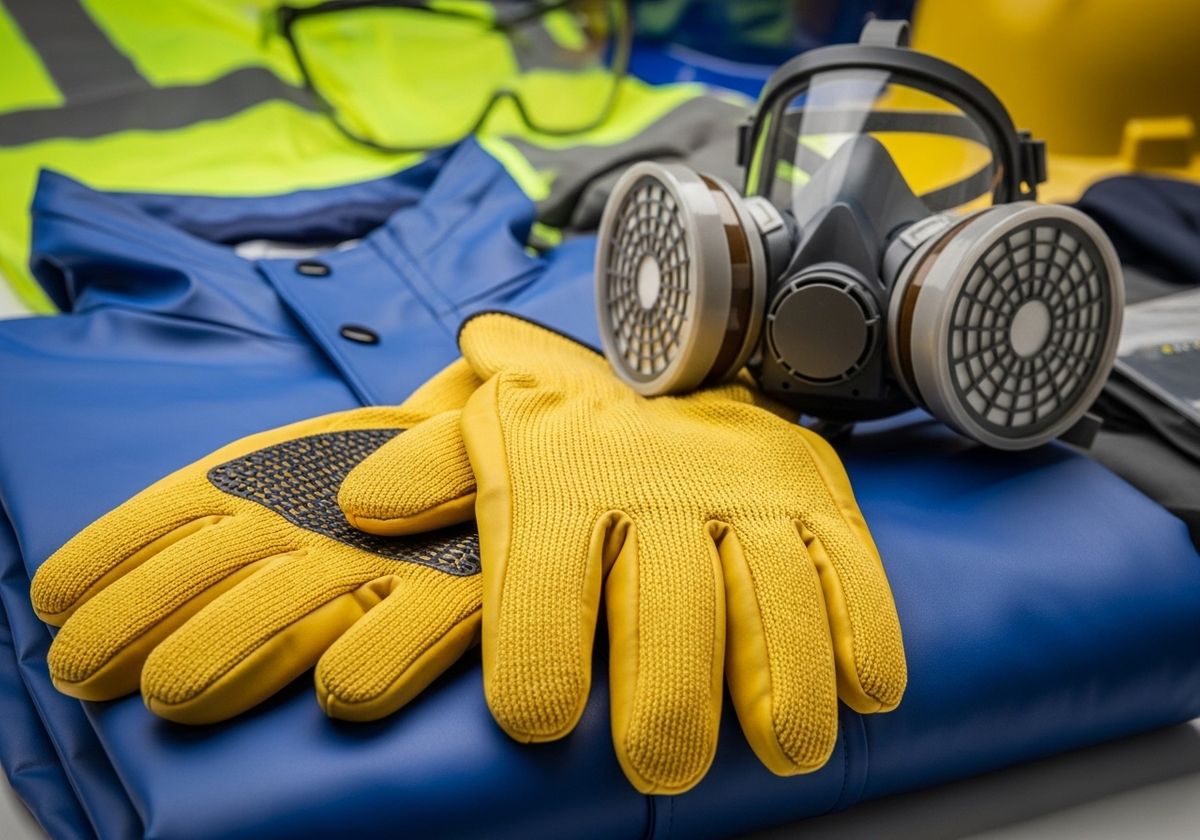
Safety Gear: Sewage damage cleanup professionals will wear protective gear, including gloves, respirators, and waterproof clothing, to prevent exposure to harmful bacteria and pathogens.
Ventilation: Opening windows and using fans can help reduce odors and begin the drying process.
Water Extraction and Sewage Removal
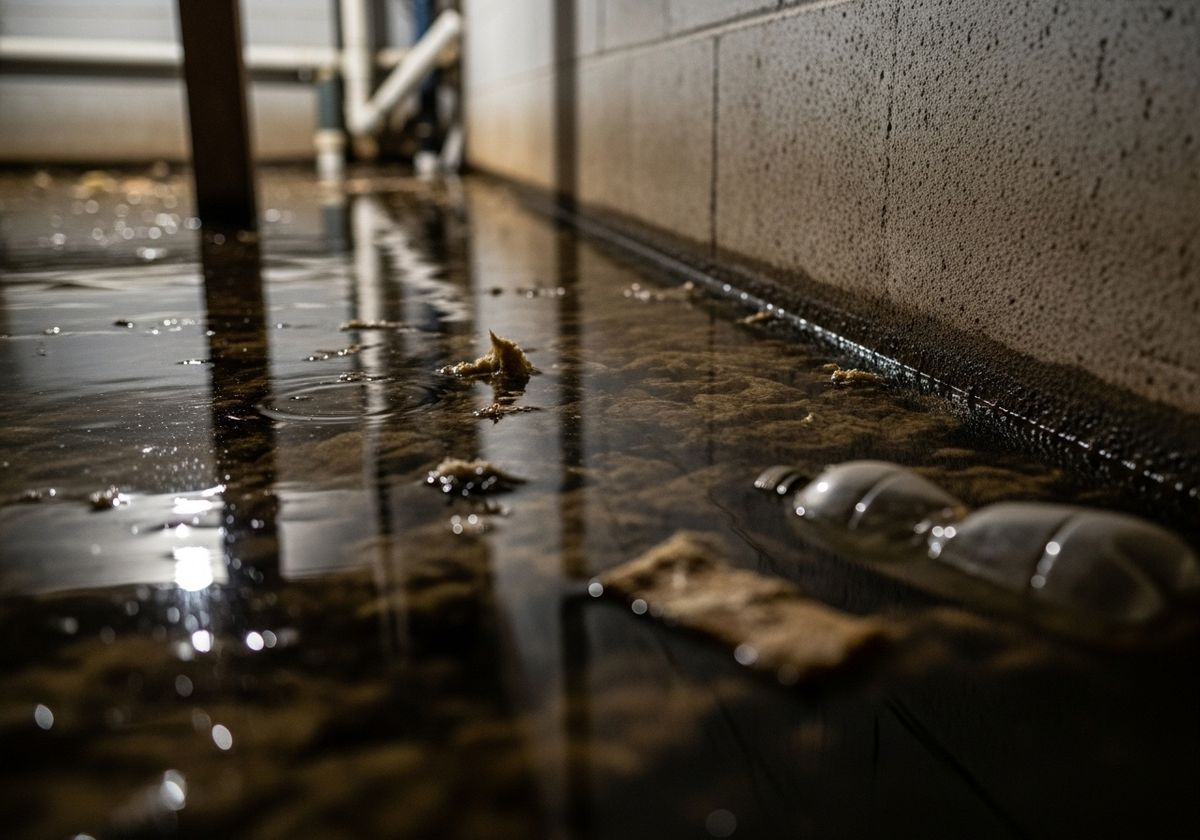
Once the area is deemed safe, the next step is to remove the sewage and extract any standing water. This needs to be done thoroughly to prevent further damage and mold growth.
Pumping Out Water: Submersible pumps can quickly remove large amounts of water.
Sewage Removal: Contaminated materials and sewage are carefully removed and disposed of in accordance with local regulations.
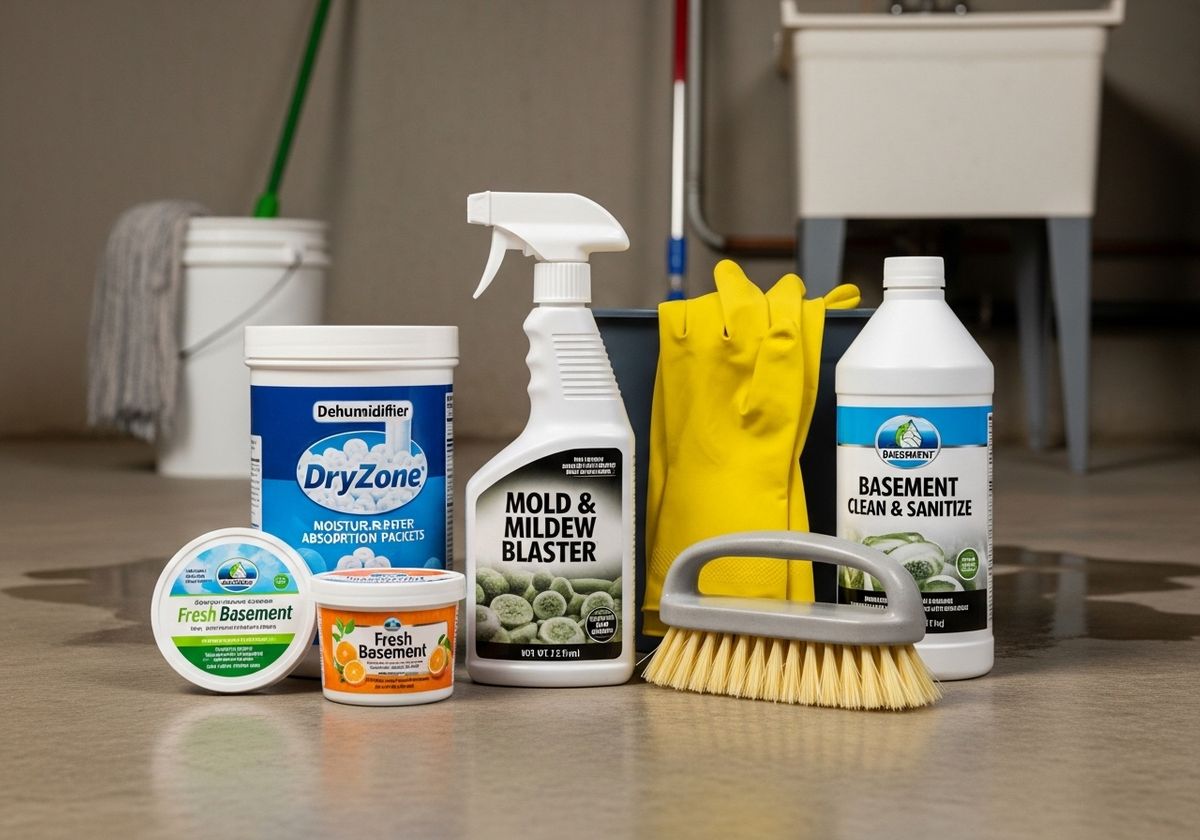
Cleaning and Sanitization
After the sewage and water are removed, the affected areas must be thoroughly cleaned and sanitized to eliminate bacteria and other contaminants. This step is critical in preventing health issues.
Cleaning: All surfaces are scrubbed with professional-grade cleaners and disinfectants.
Sanitization: Antimicrobial treatments are applied to kill any remaining bacteria and prevent mold growth. This is a critical step for proper emergency sewage cleanup.
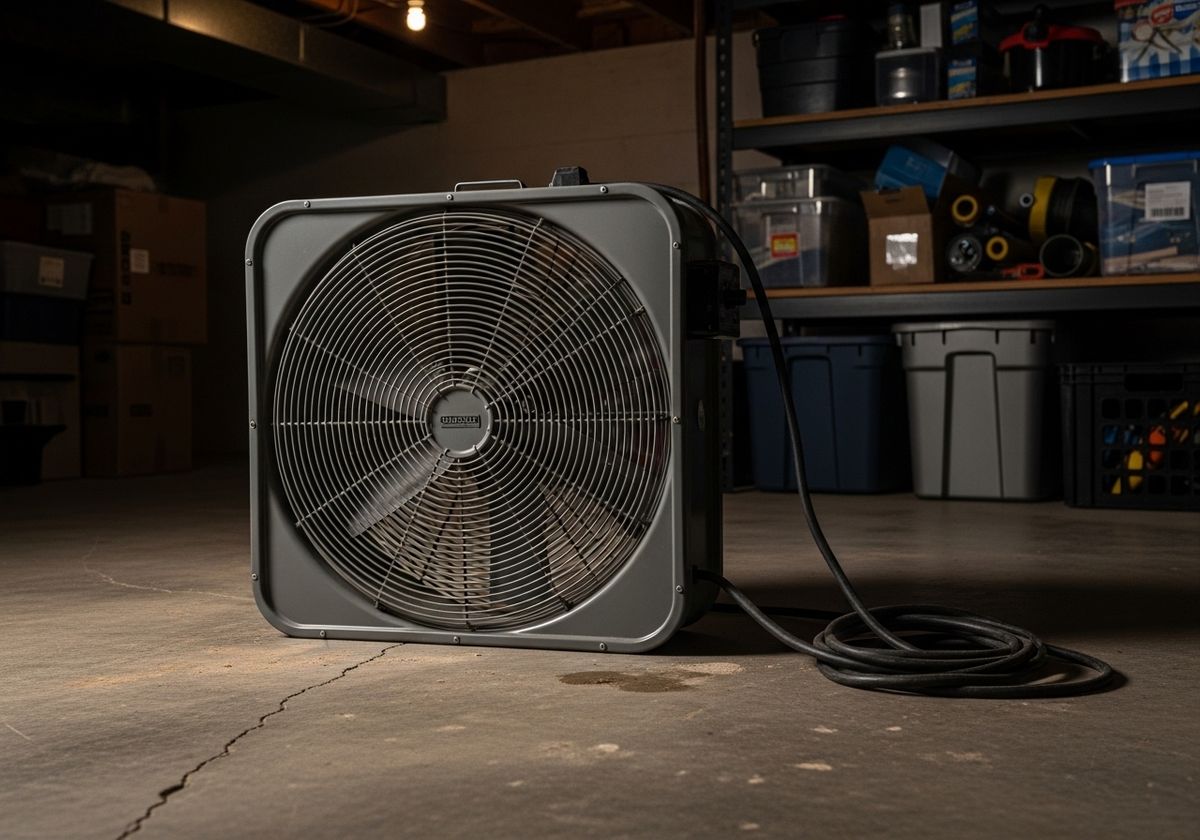
Drying and Dehumidification
Once the basement is cleaned and sanitized, it needs to be completely dried to prevent mold growth and structural damage. Proper drying requires specialized equipment and techniques.
Dehumidifiers: High-capacity dehumidifiers remove moisture from the air.
Air Movers: Industrial air movers circulate air to speed up the drying process.
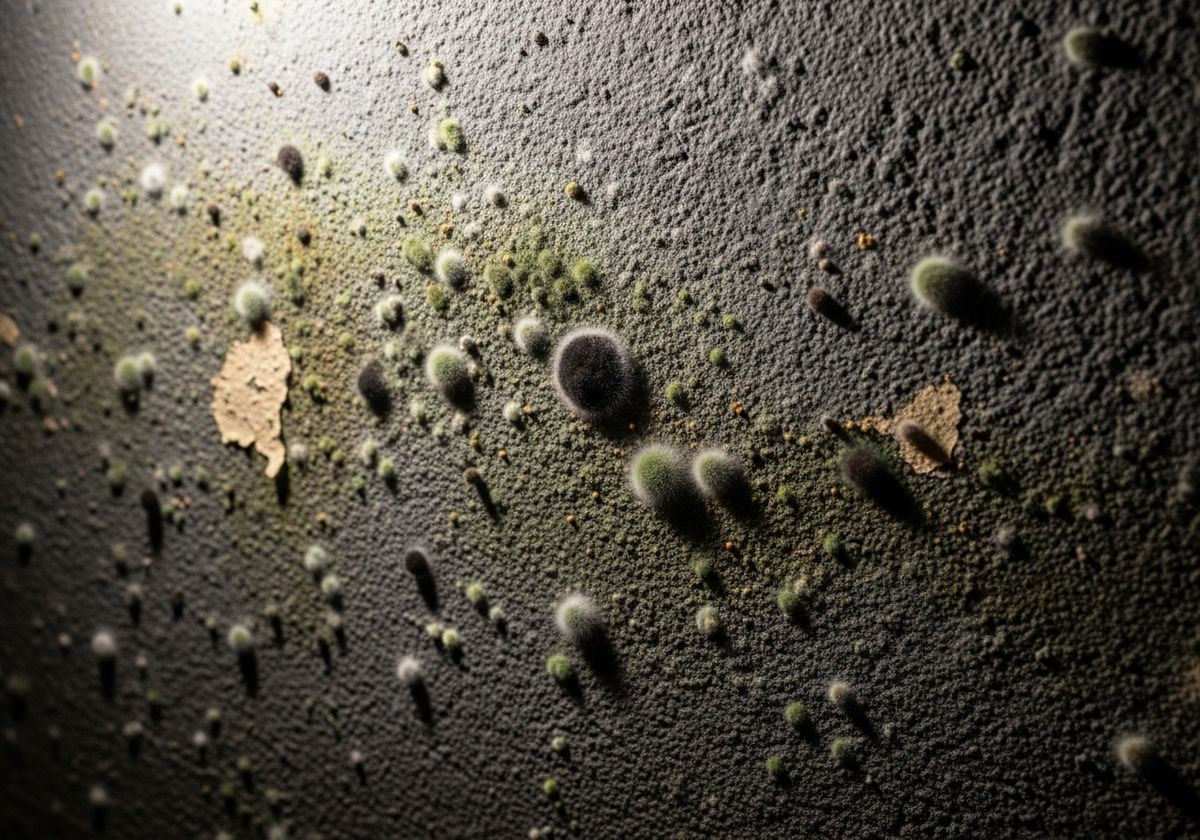
Mold Remediation (If Necessary)
If mold is present, it must be properly removed and the affected areas remediated. Mold can grow quickly in damp environments, so addressing it promptly is essential.
Mold Inspection: A thorough inspection is conducted to identify all areas affected by mold.
Mold Removal: Mold is removed using specialized techniques, and the affected areas are treated to prevent future growth.
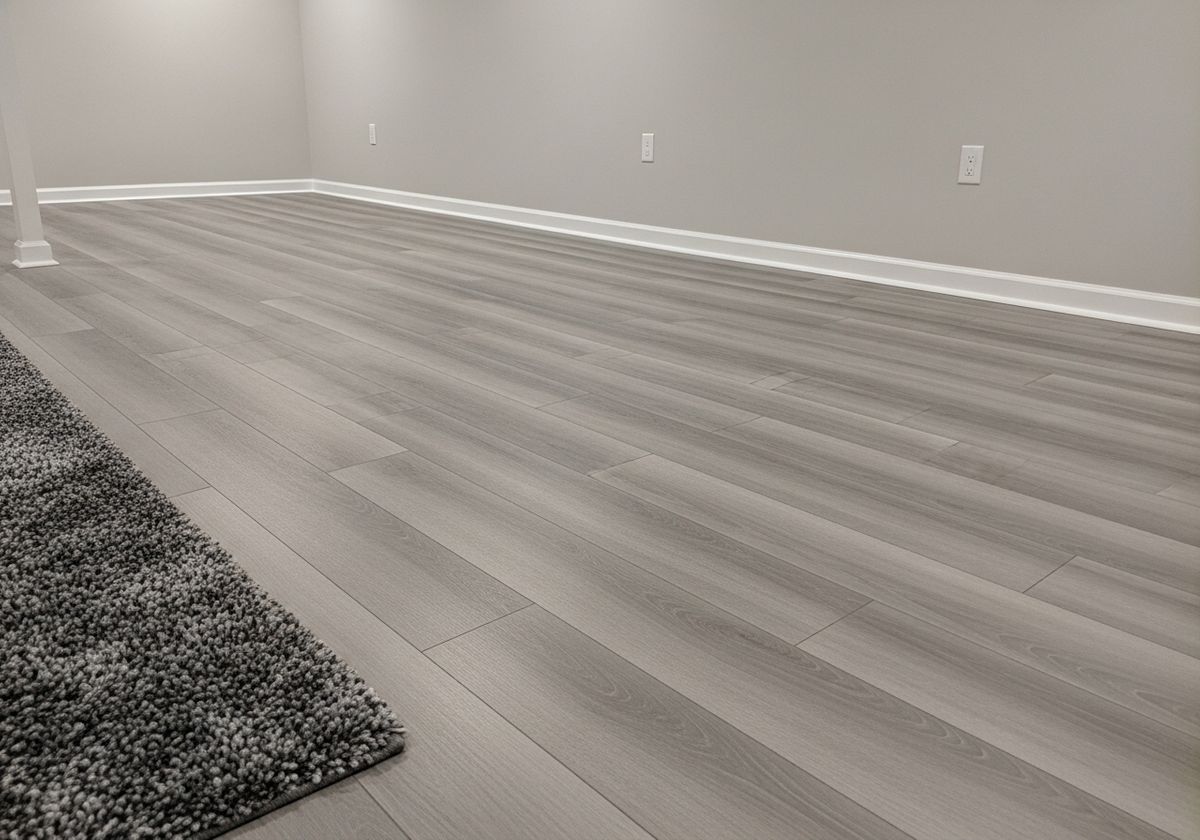
Repairs and Restoration
The final step involves repairing any structural damage and restoring the basement to its pre-damage condition. This may include replacing drywall, flooring, and other materials.
Structural Repairs: Any damaged framing, walls, or flooring may need repair or replacement.
Finishing: New drywall, flooring, and paint may be needed to restore the basement’s appearance.
Dealing with sewage damage in your basement can be overwhelming, but understanding the restoration timeline can help you prepare and ensure the job is done right. If you're facing such a situation, remember that Reno Restorations is here to help. Contact us today to learn more about our services or to schedule an assessment!