
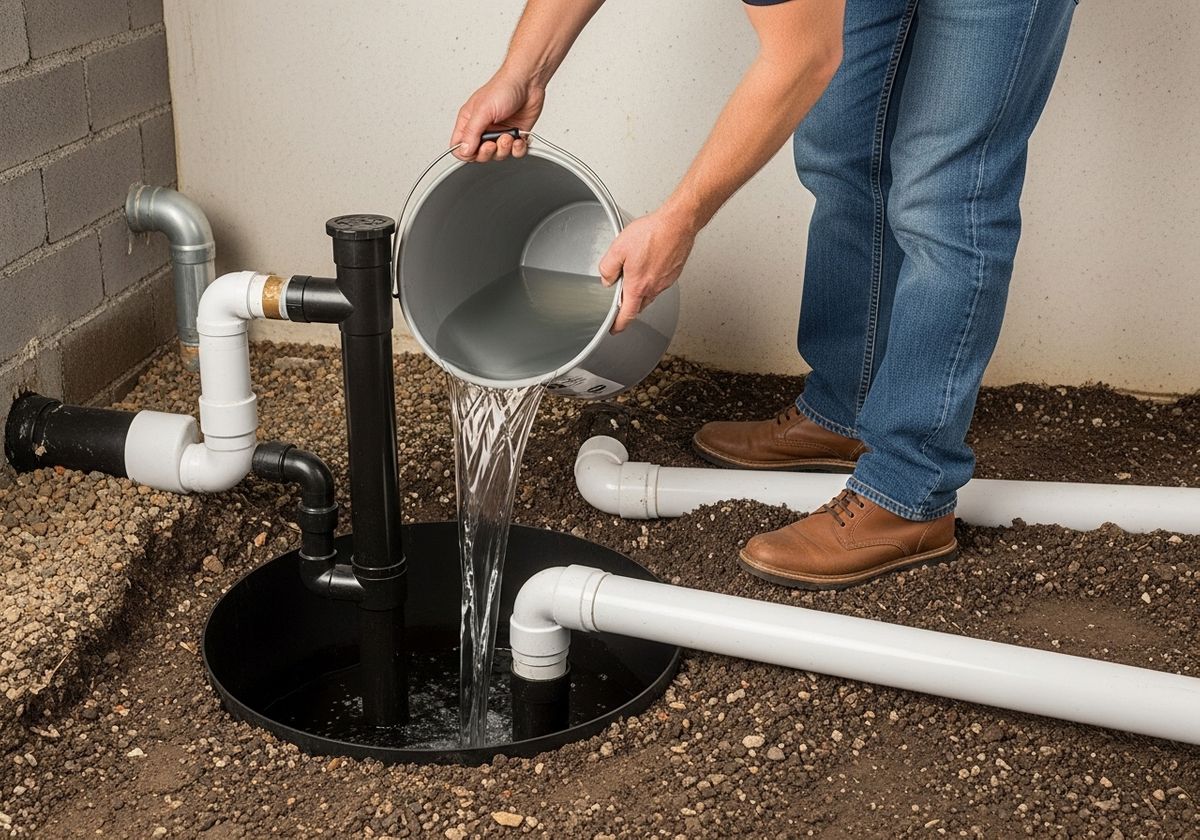
As the rainy season approaches, homeowners need to take proactive steps to protect their properties from potential water damage. One crucial component of a robust defense against flooding is a properly functioning sump pump. Regular maintenance ensures that your sump pump is ready to handle heavy rainfall and prevent costly water damage. This checklist provides essential maintenance steps to keep your sump pump in optimal condition during the rainy season.
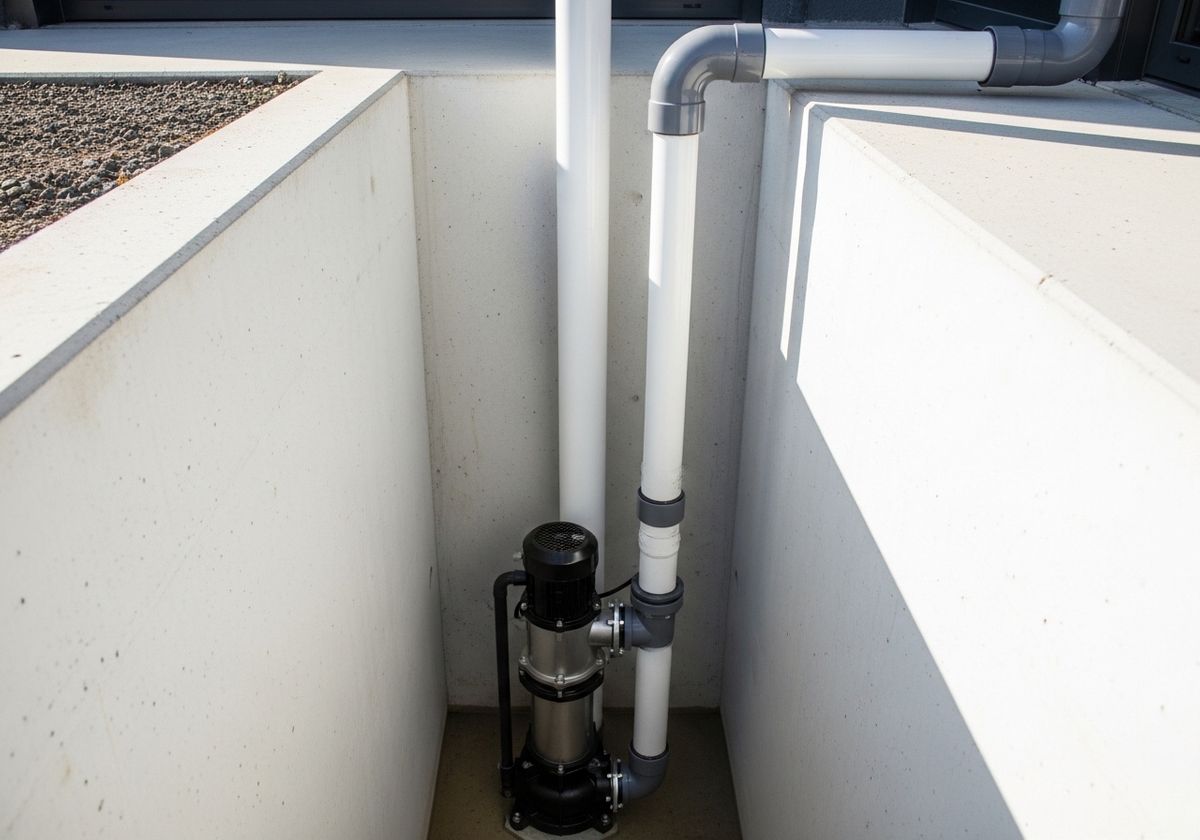
Visual Inspection
Begin by visually inspecting the sump pump and its surroundings:
Check the Sump Pit: Ensure the pit is free of debris, sediment, and obstructions that could hinder the pump's operation. Clear away any rocks, gravel, or other materials.
Inspect the Pump: Look for any signs of physical damage, such as cracks, corrosion, or loose connections. Make sure the pump is sitting upright and stable.
Examine the Discharge Pipe: Verify that the discharge pipe is free from obstructions and properly directs water away from the foundation. Clear any debris from the outlet.
Testing the Sump Pump
Regular testing is crucial to ensure your sump pump is functioning correctly:
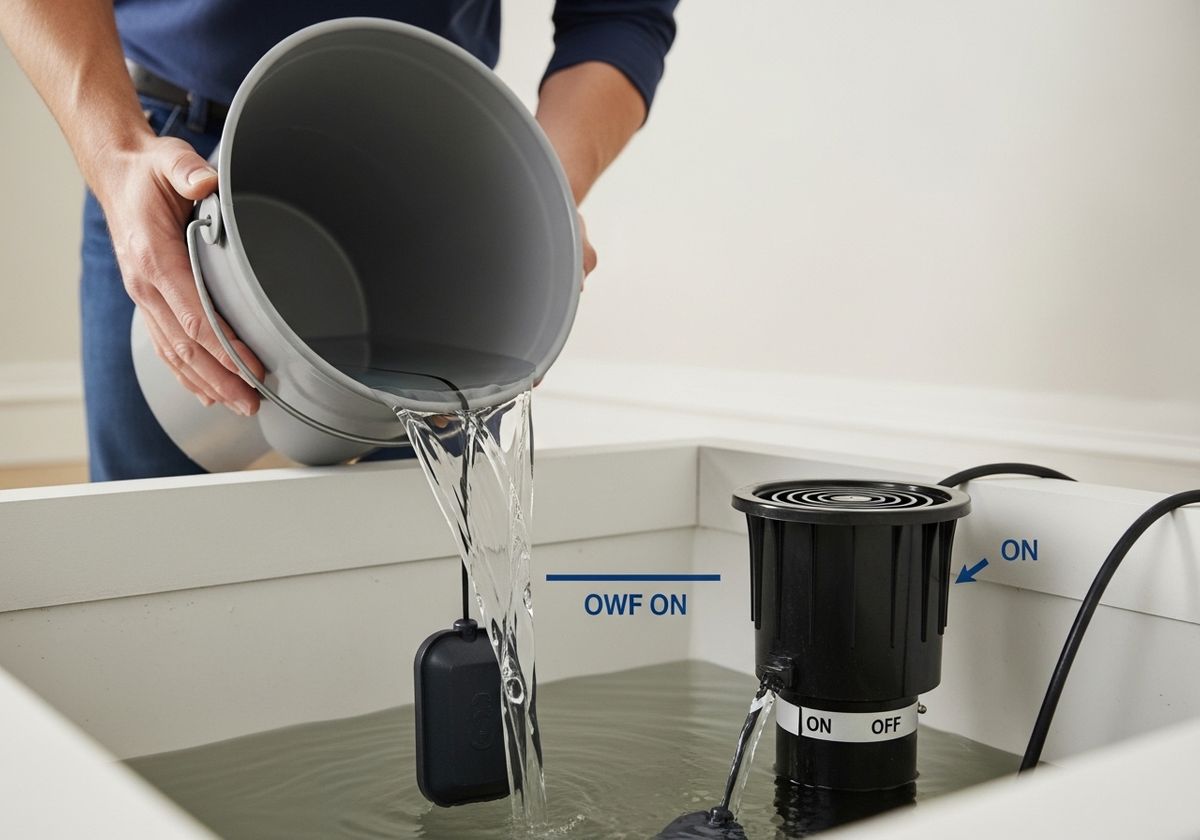
Manual Test: Pour a bucket of water into the sump pit to activate the pump. Observe how quickly the pump starts and how effectively it removes the water. The pump should turn on promptly and efficiently drain the pit.
Float Switch Test: Ensure the float switch moves freely without any obstructions. Lift the float to activate the pump and confirm it turns on. Release the float to ensure the pump turns off. A sticky or obstructed float switch can prevent the pump from activating when needed.
Cleaning and Maintenance
Keeping your sump pump clean and well-maintained will prolong its lifespan and efficiency:
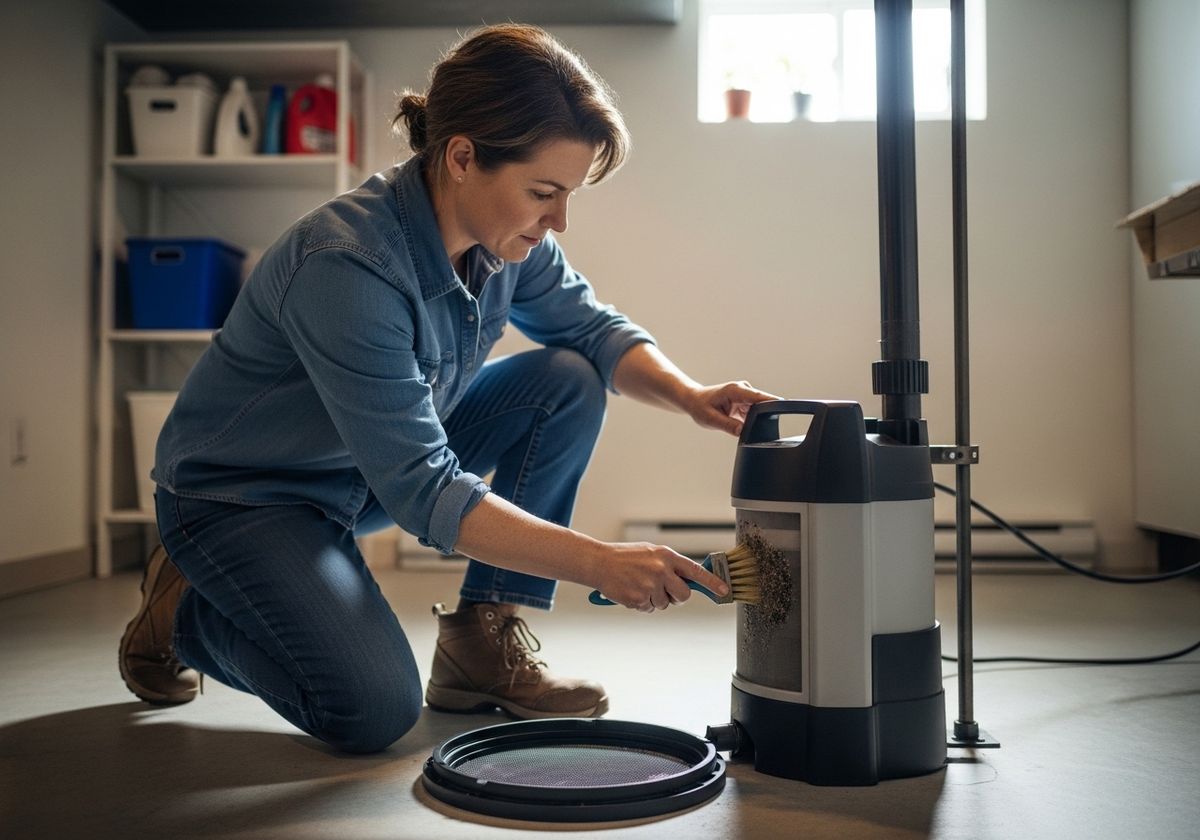
Clean the Intake Screen: Remove and clean the intake screen to prevent debris from clogging the pump. A clogged screen can reduce the pump's efficiency and cause it to work harder.
Check the Check Valve: Ensure the check valve is functioning correctly to prevent backflow into the sump pit. A faulty check valve can cause the pump to cycle on and off unnecessarily.
Remove Sediment: Periodically remove any sediment or debris that accumulates in the sump pit. Use a wet/dry vacuum to clean the bottom of the pit.
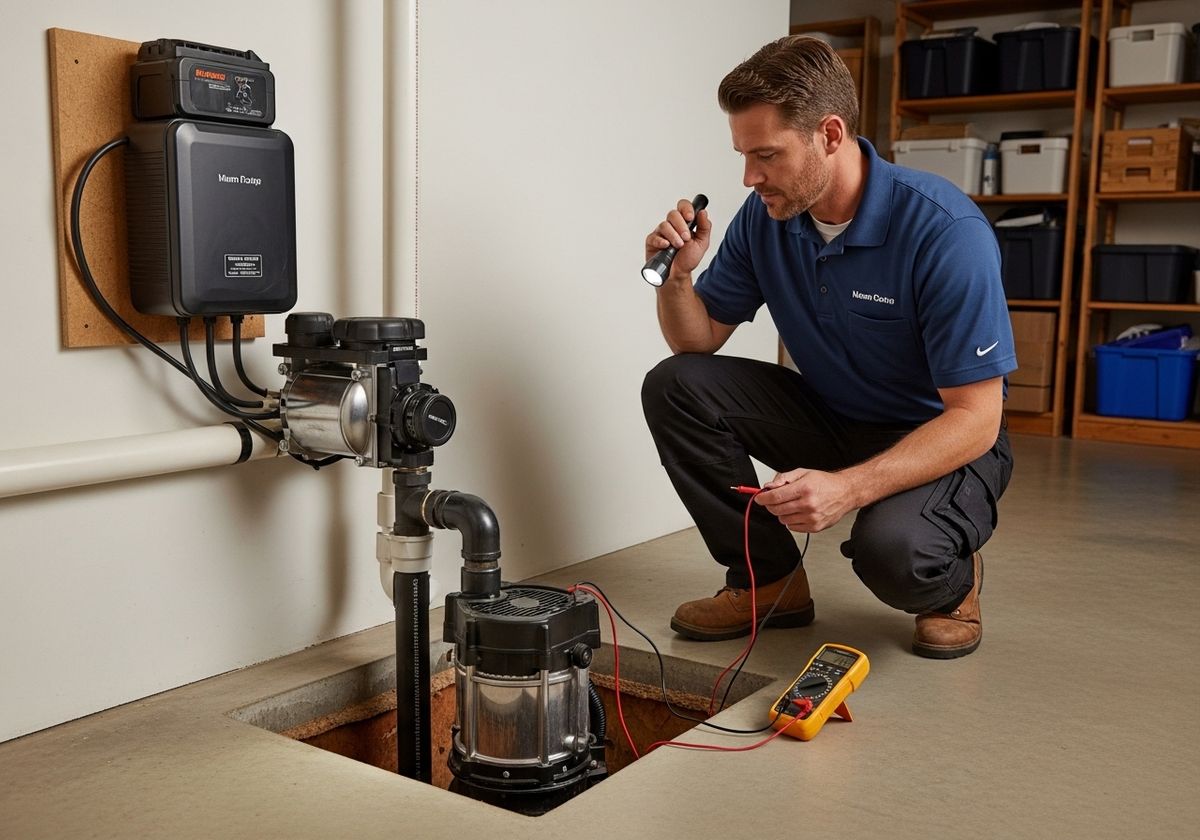
Professional Inspection
Consider scheduling a professional inspection to ensure your sump pump is in optimal condition:
Qualified Technician: A qualified technician can assess the pump's overall performance, identify potential issues, and perform necessary repairs or replacements.
Backup System: Discuss the possibility of installing a backup sump pump or a battery backup system to ensure continuous operation during power outages.
By following this sump pump maintenance checklist, you can ensure your system is ready to handle the demands of the rainy season. Regular maintenance not only prevents water damage but also extends the life of your sump pump, providing peace of mind during heavy rainfall. Don't wait until it's too late—take action now to protect your property.
At Reno Restoration, we understand the importance of protecting your home or business from water damage. As a full-service disaster recovery firm serving Northern Nevada, we offer comprehensive water mitigation services to address any water-related emergency. If you need assistance with water damage restoration Reno or have concerns about your sump pump's performance, contact us today for professional assistance. Learn more about our water damage restoration services and how we can help you safeguard your property.