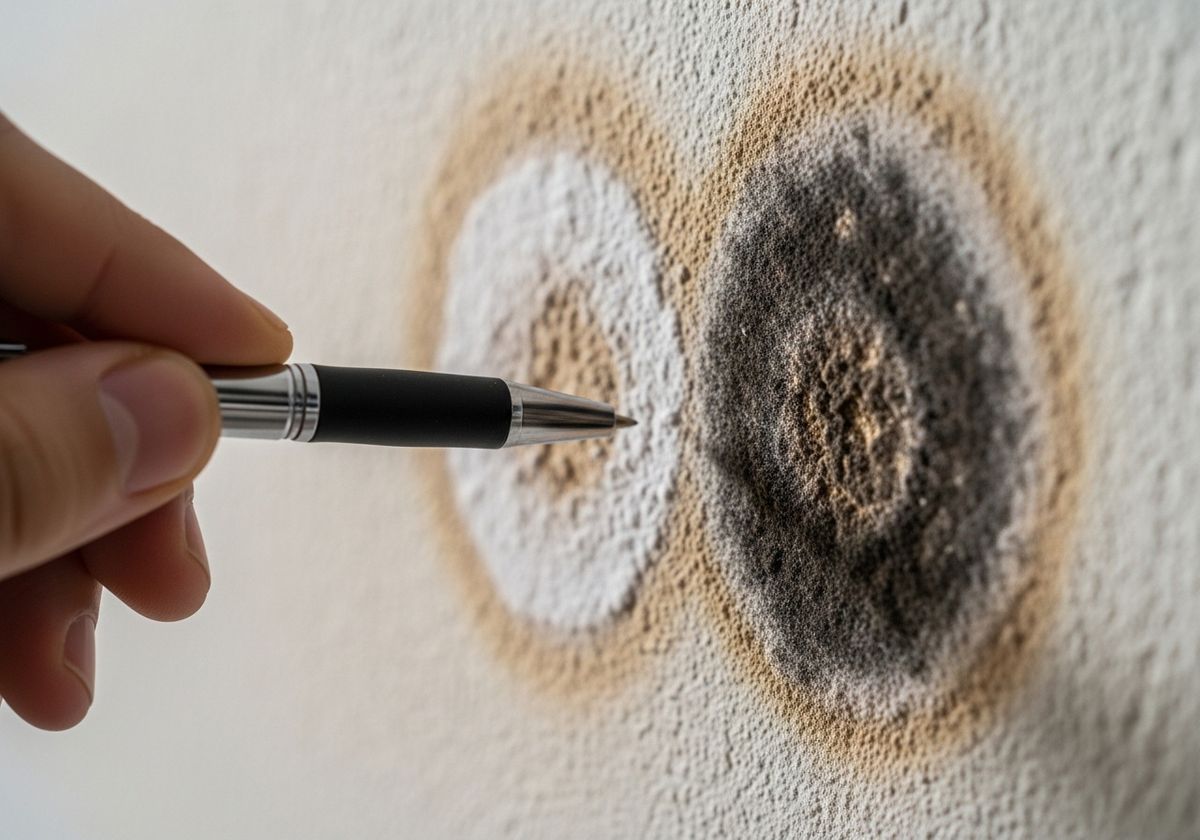
If you've noticed a strange discoloration or musty odor in your home, you might be dealing with mold or mildew. Both are types of fungi that thrive in damp environments and can cause health problems and structural damage if left unchecked. While they share some similarities, it's important to distinguish between the two to determine the best course of action. Here’s what you need to know.
Appearance
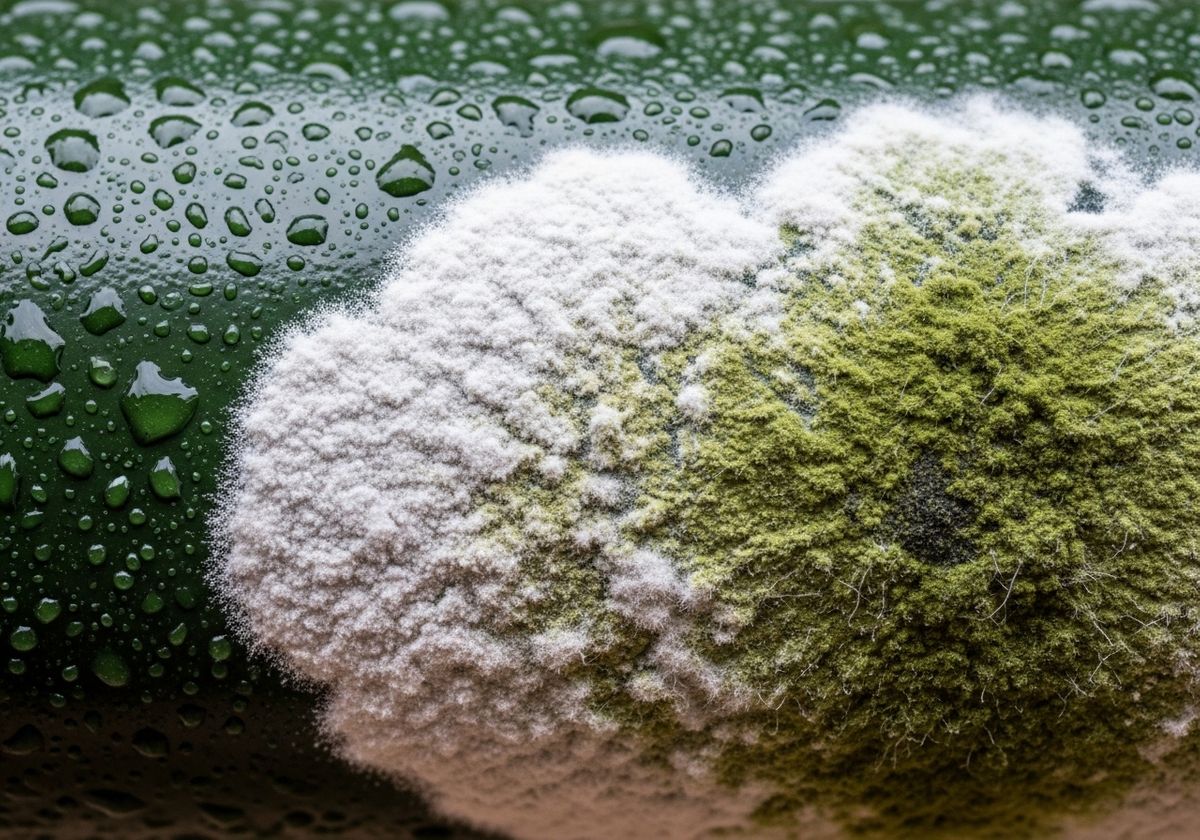
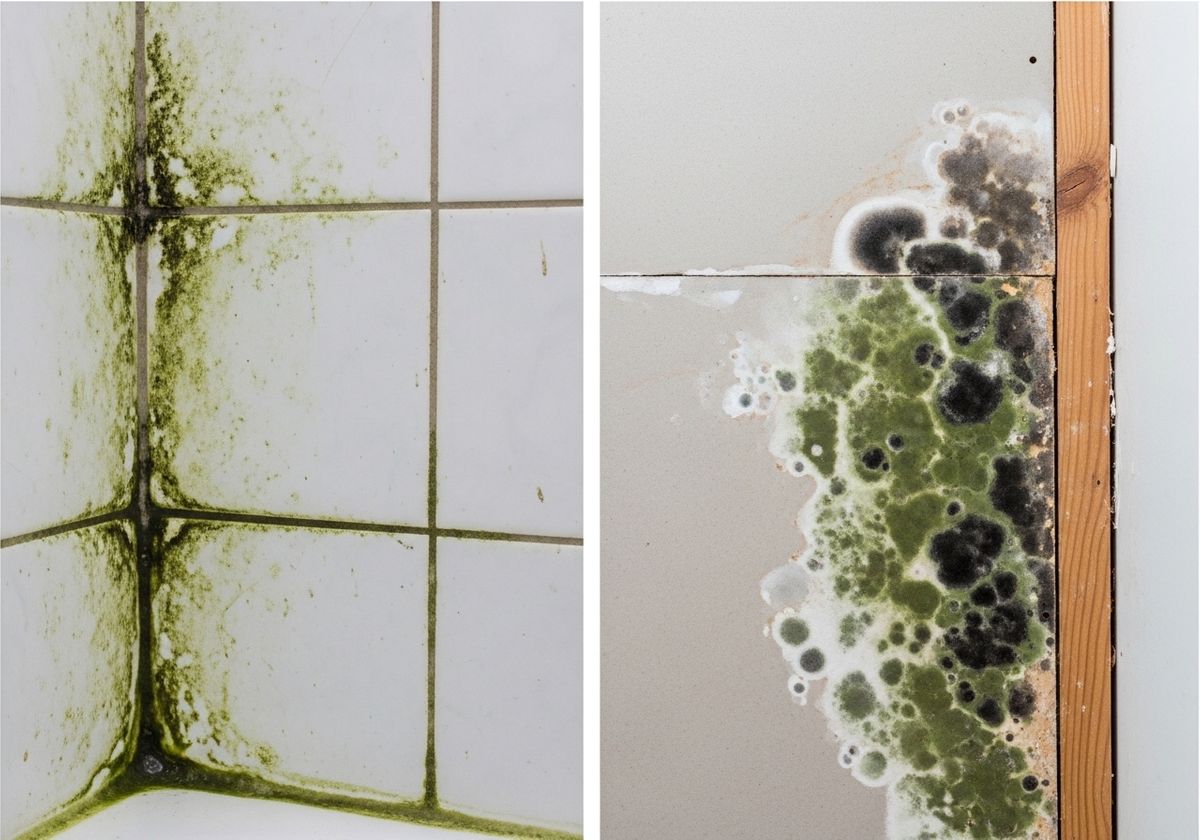
Mildew typically appears as a white or grayish surface fungus that grows on damp surfaces. It often looks like a powdery coating. Mold, on the other hand, can come in a variety of colors, including green, black, brown, and even pink. It often has a fuzzy or slimy texture and can penetrate deeper into the material it's growing on.
Texture
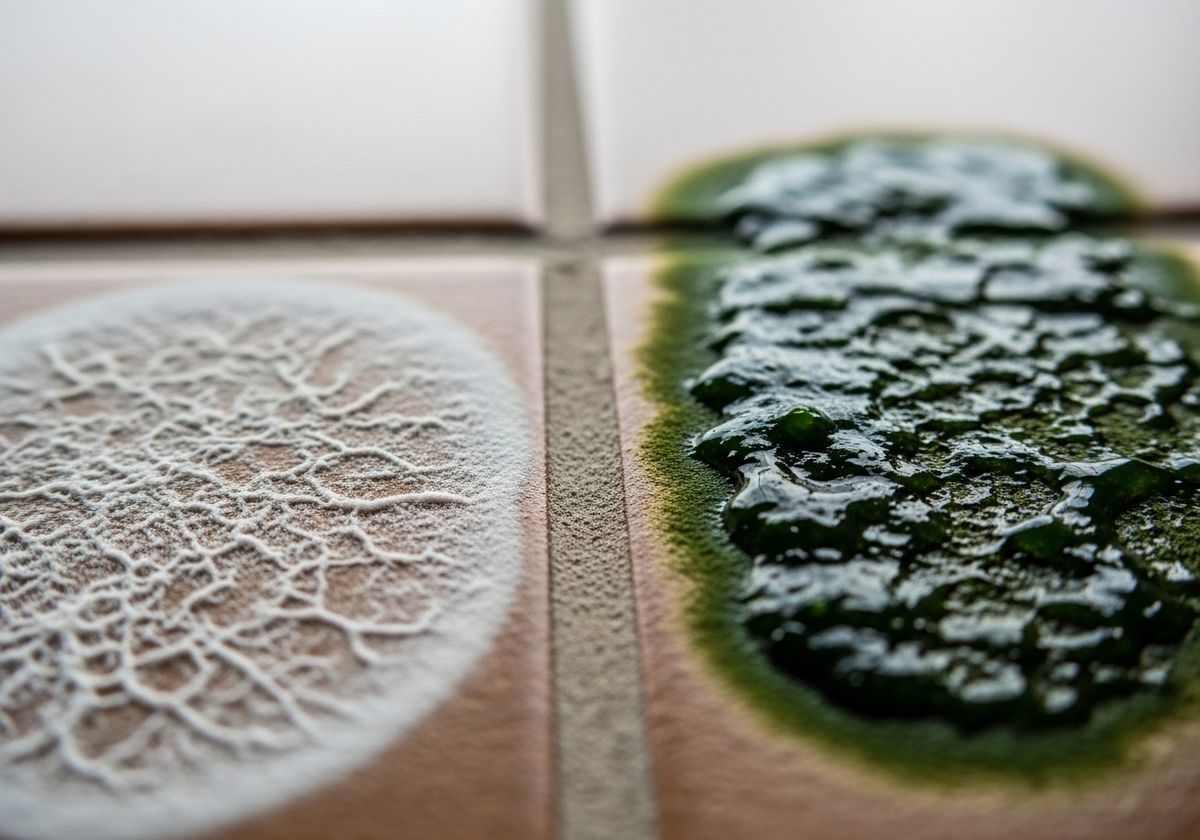
Mildew is usually dry and powdery, making it easy to wipe away from surfaces with a cleaner. Mold tends to be slimy or fuzzy, and it can be more difficult to remove. If you try to wipe away mold, it may smear or leave a stain.
Location
Mildew is commonly found on surfaces like bathroom tiles, shower curtains, and damp windowsills. It prefers surfaces with high moisture exposure. Mold can grow on a wider range of surfaces, including drywall, wood, fabric, and even food. It often thrives in hidden areas like behind walls, under floors, and in crawl spaces.

Health Effects
Mildew can cause mild respiratory irritation, coughing, and headaches, especially in people with allergies or asthma. Mold can produce allergens and toxins that can lead to more severe health problems, such as allergic reactions, asthma attacks, sinus infections, and other respiratory issues. Some types of mold, like black mold, can even produce mycotoxins that can cause neurological problems.
Damage
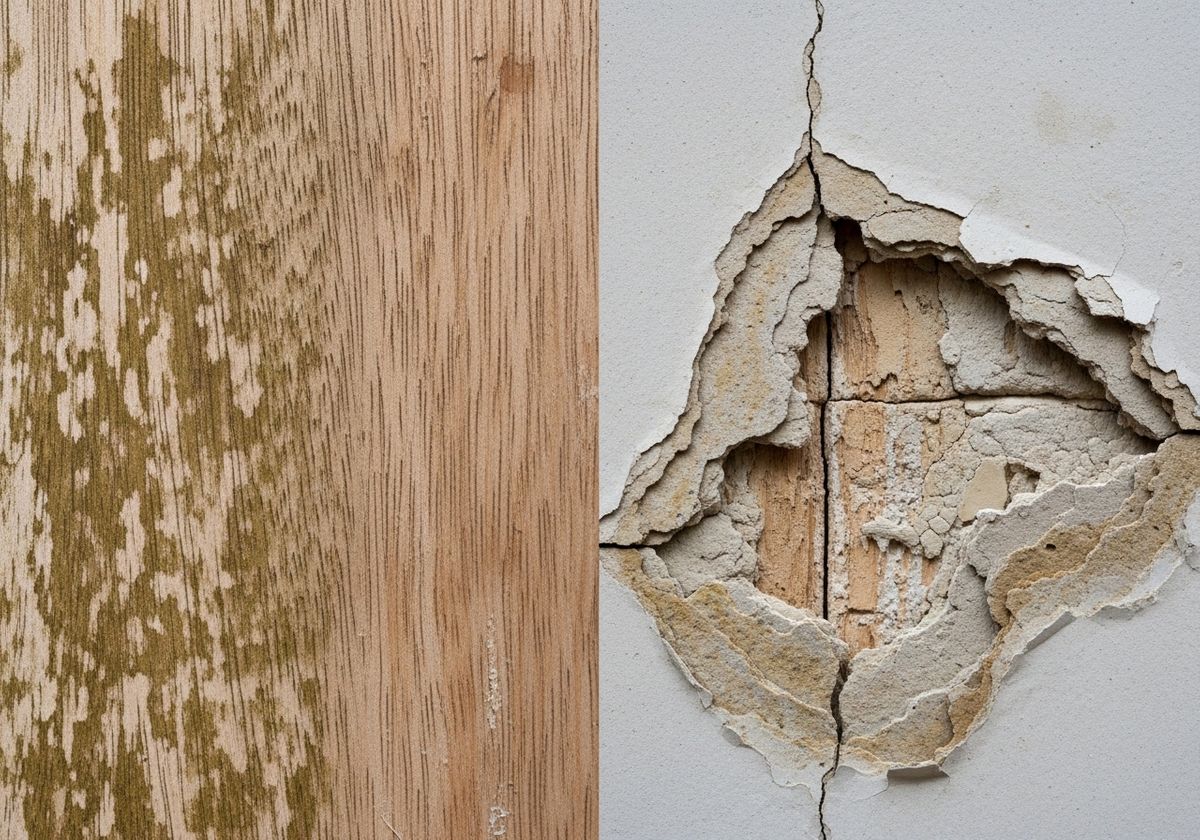
Mildew primarily causes surface-level damage and discoloration. While it can be unsightly, it doesn't typically compromise the structural integrity of the material it's growing on. Mold can cause significant damage to building materials over time. It can break down organic materials like wood and drywall, leading to structural problems and costly repairs.
Removal
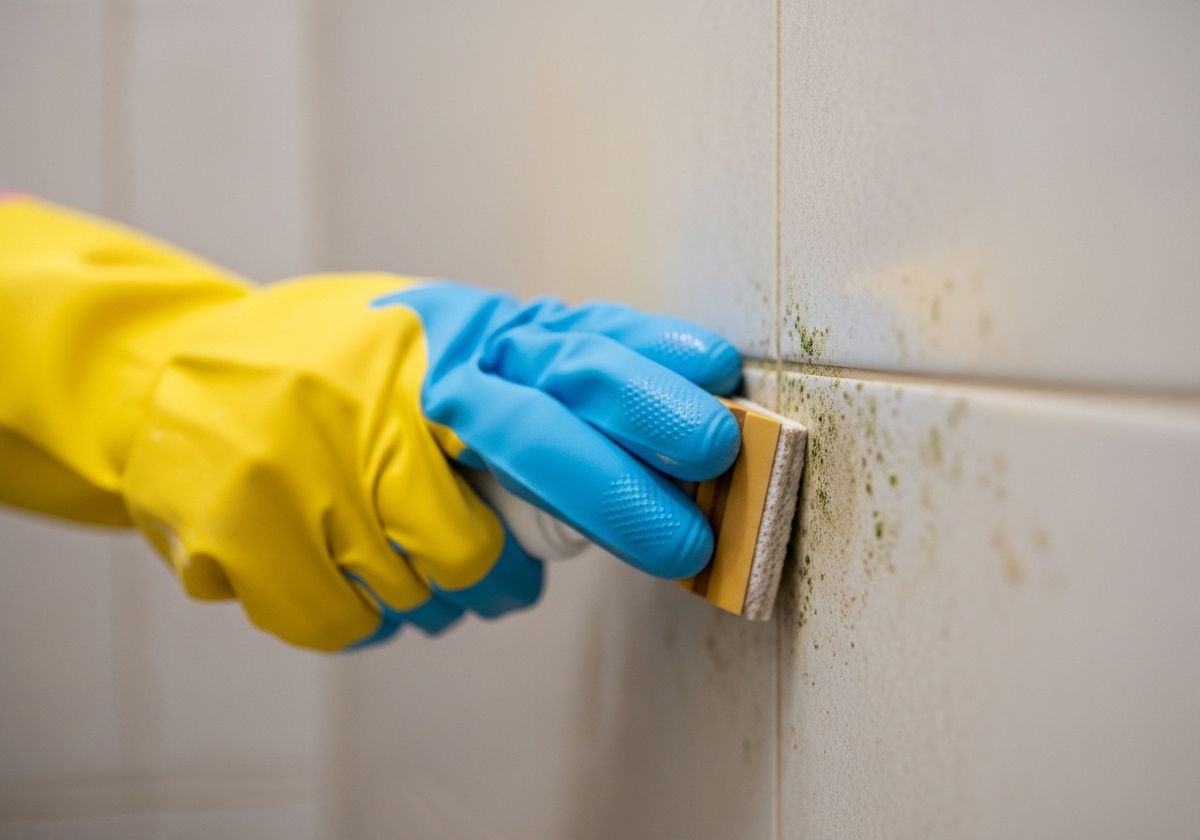
Mildew is often easier to remove than mold. In many cases, you can clean mildew off surfaces with a mixture of bleach and water, or with a commercial mildew cleaner. Mold often requires more aggressive removal techniques, such as scrubbing, sanding, or even removing and replacing the affected materials. In some cases, professional mold remediation may be necessary.
Identifying whether you're dealing with mold or mildew is the first step in protecting your property and health. While mildew is often a surface-level issue that can be easily resolved, mold can pose more serious risks and require professional intervention. If you suspect you have a mold problem, it's important to address it quickly to prevent further damage and health issues. At Reno Restoration, we understand the complexities of water and mold damage. We offer comprehensive water damage restoration services and mold damage removal services in Reno to help you restore your home or business to a safe and healthy environment. If you're concerned about mold or water damage, don't hesitate to contact us for expert assistance. Learn more about our water damage restoration Reno and smoke odor removal Reno services today!