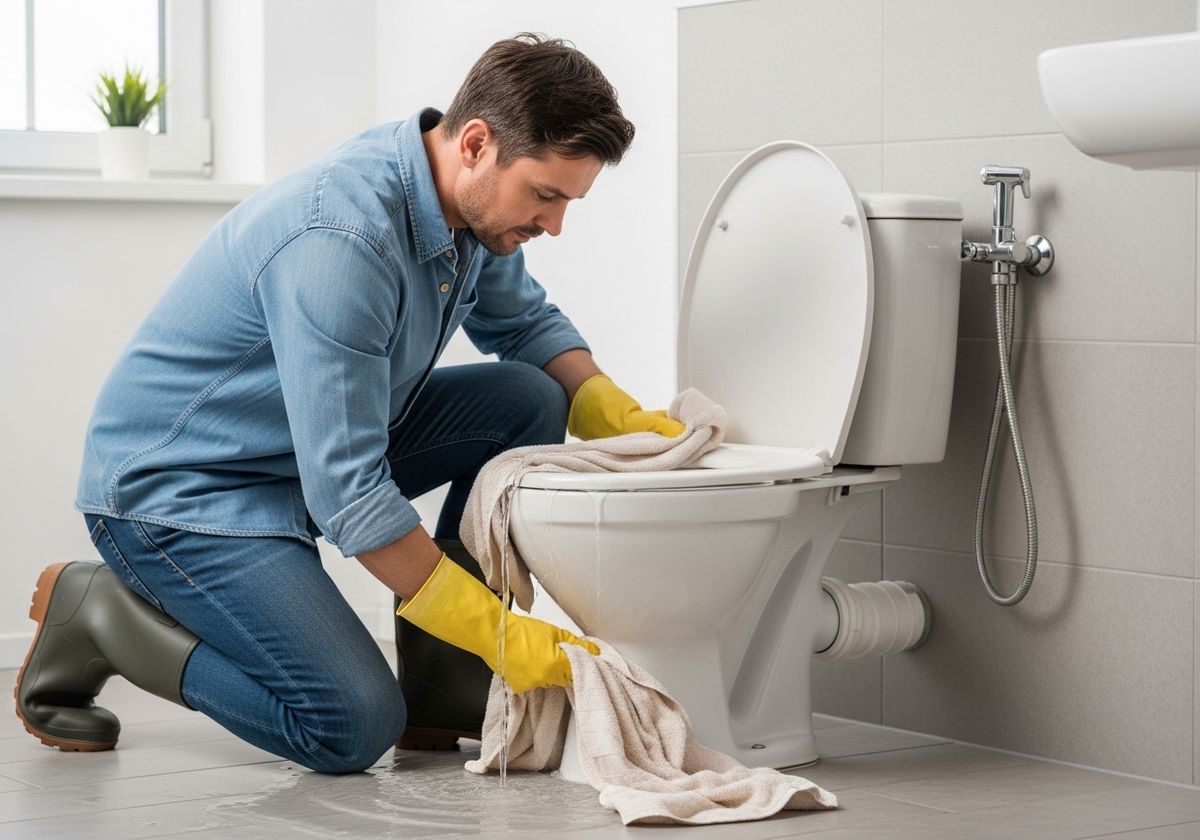
Discovering an overflowing toilet is a homeowner's nightmare. The mess and potential damage can be overwhelming. But don't panic. Acting quickly and decisively can minimize the impact and prevent further issues. Here's a step-by-step guide on what to do when your toilet overflows.
Stop the Flow
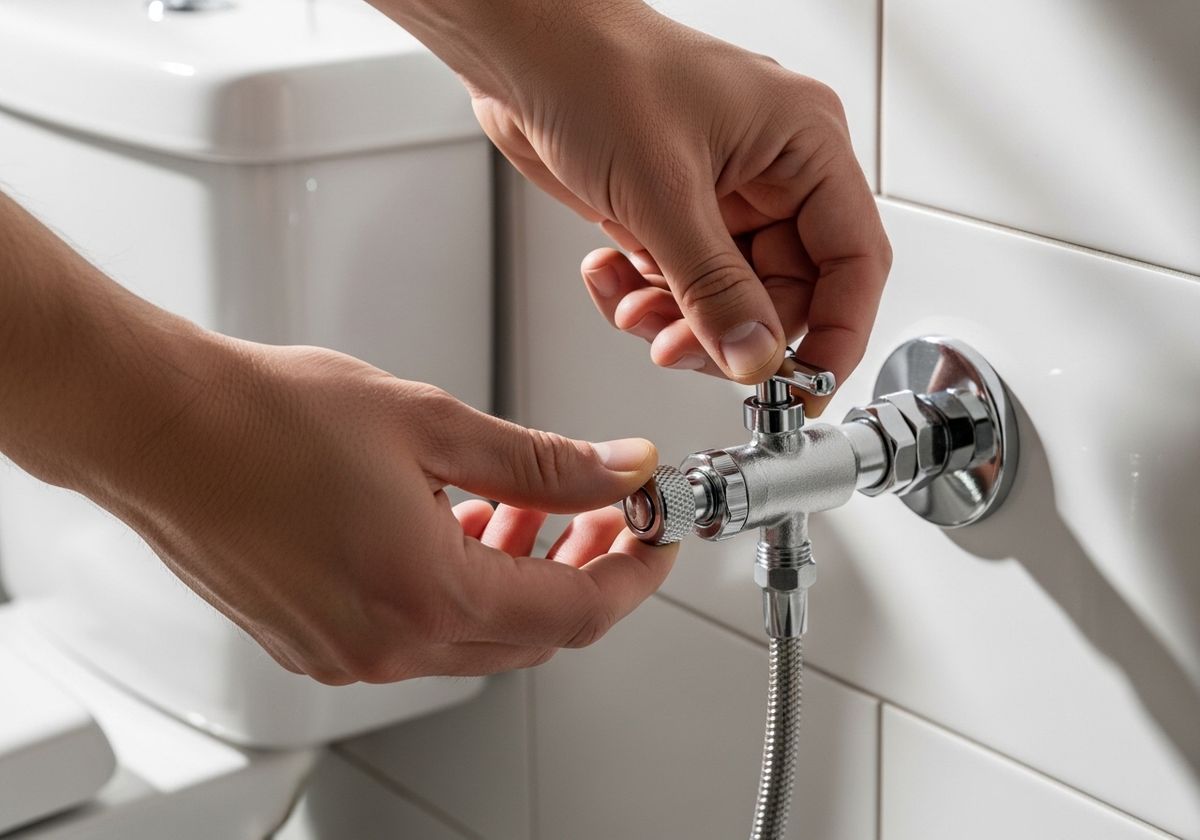
The first and most crucial step is to stop the water flow. Locate the shut-off valve behind the toilet, usually on the wall or floor. Turn it clockwise to cut off the water supply to the toilet. If you can't find the valve or it's not working, lift the toilet tank lid and try to manually close the flapper at the bottom of the tank. This will prevent more water from entering the bowl.
Protect Yourself
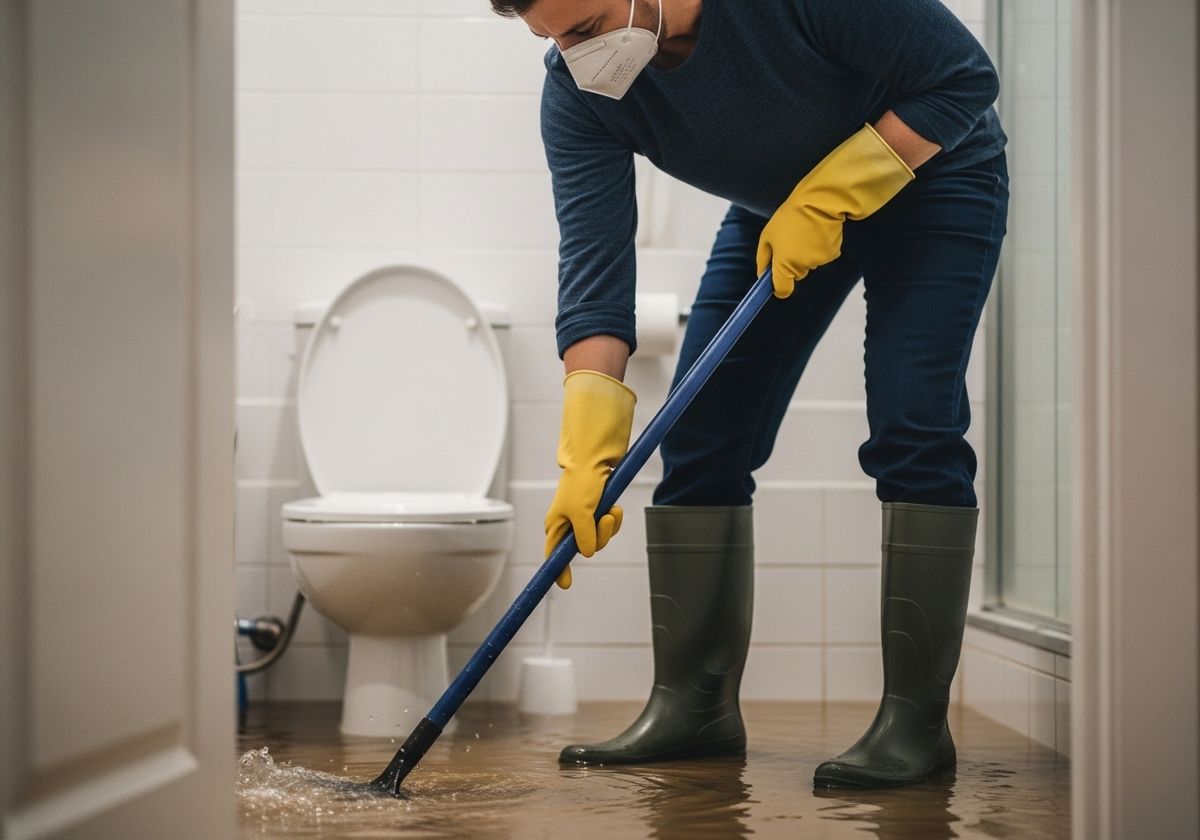
Before you start cleaning, protect yourself from potential contaminants. Wear rubber gloves and waterproof boots to avoid contact with potentially unsanitary water. Consider wearing a face mask, especially if you suspect the overflow contains sewage.
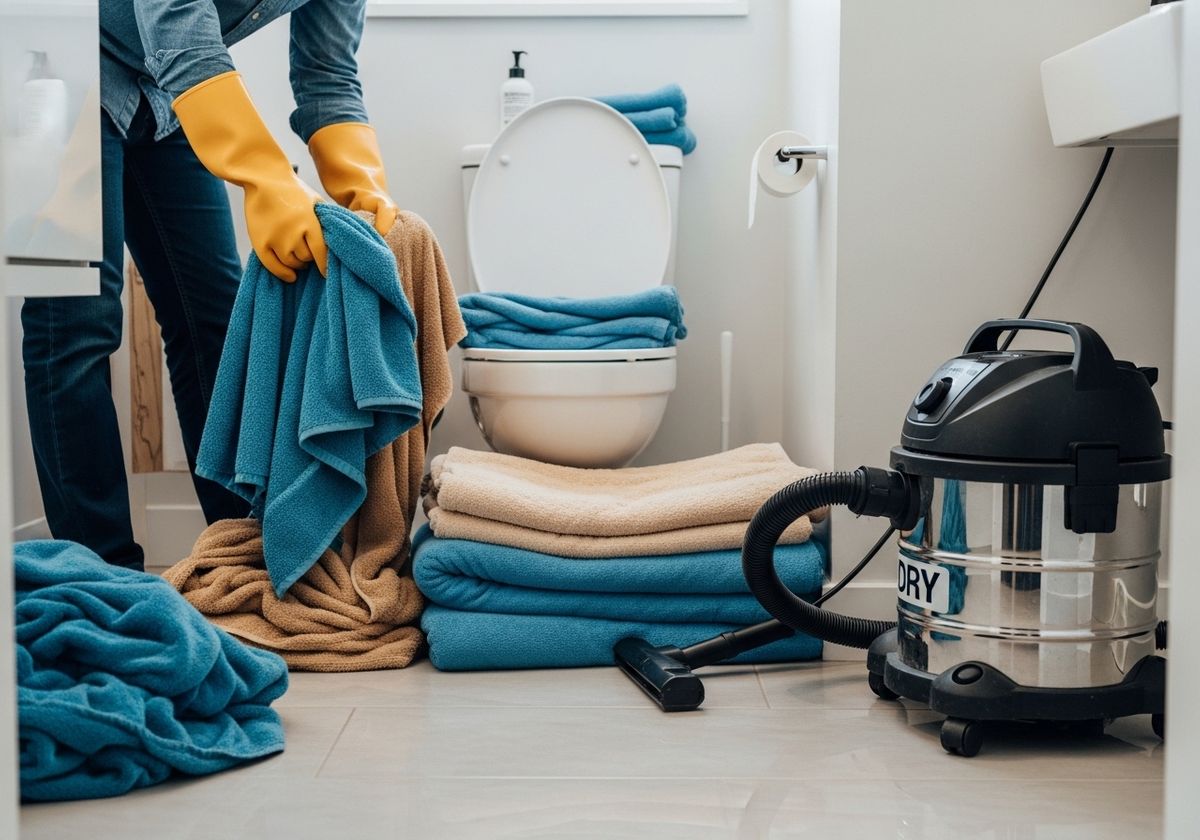
Contain the Spill
Use old towels, blankets, or even a wet/dry vacuum to contain the overflowing water. Create a barrier to prevent the water from spreading to other areas of your home. Focus on soaking up as much water as possible to minimize damage to flooring and walls.
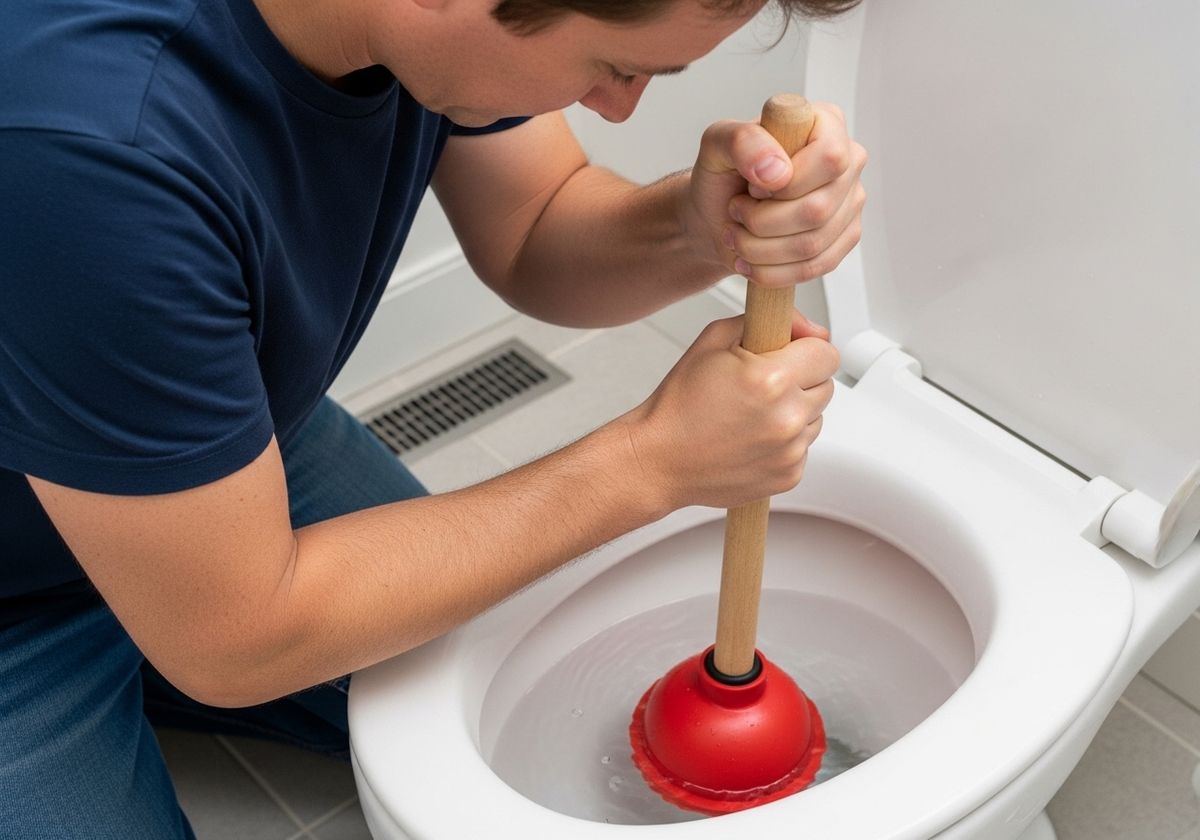
Clear the Clog
Once the water is contained, try to identify and clear the clog. A plunger is your best friend here. Make sure there's enough water in the bowl to cover the cup of the plunger, and then use firm, even strokes to try to dislodge the blockage. If the plunger doesn't work, you can try a toilet auger (also known as a snake) to break up or retrieve the clog.
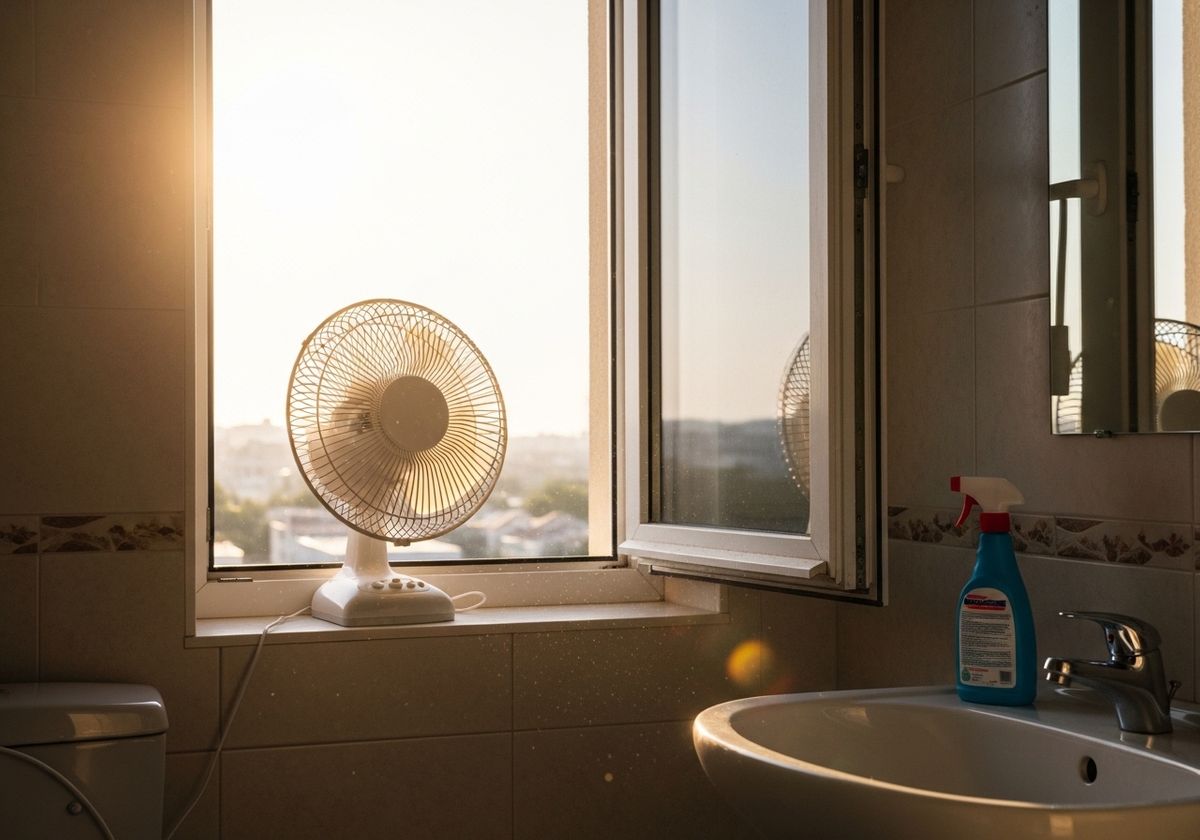
Sanitize and Dry
After the clog is cleared and the water is removed, thoroughly sanitize the affected area. Use a disinfectant cleaner to kill any bacteria or germs that may be present. Open windows and use fans to dry the area completely. This will help prevent mold growth.
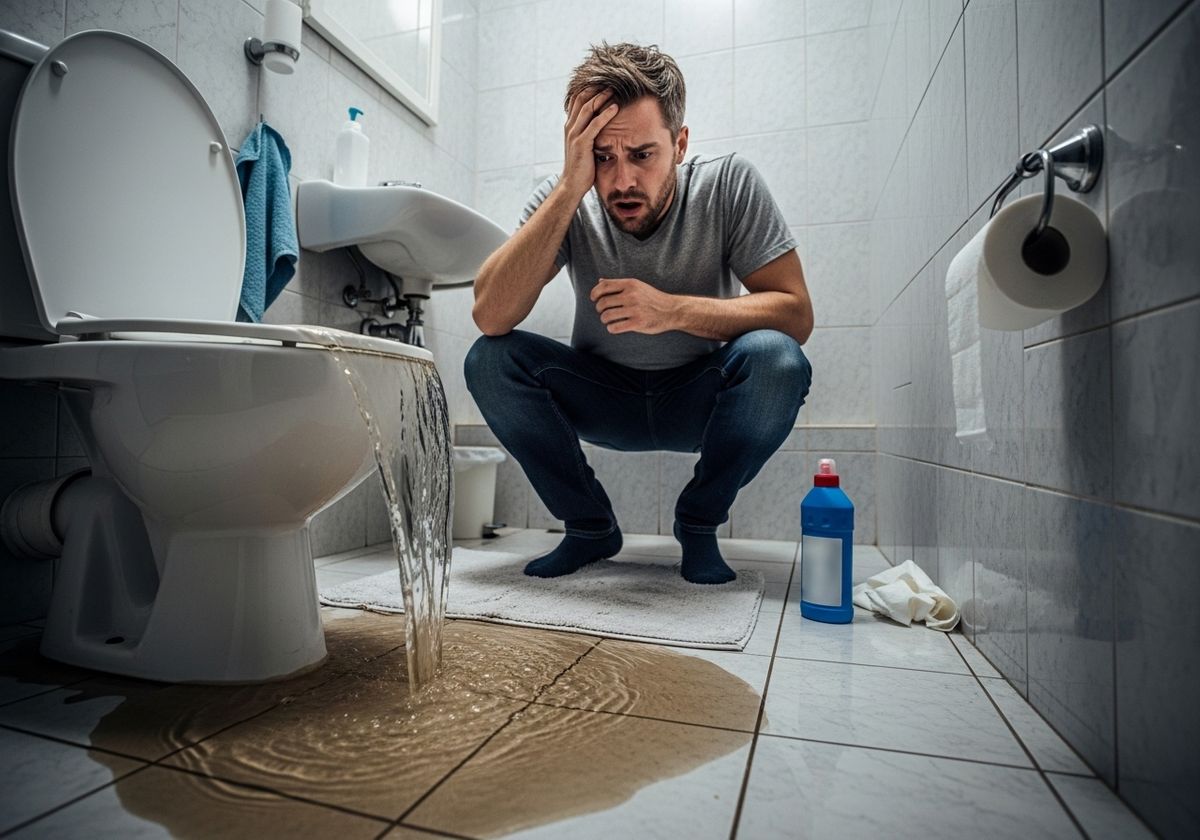
When to Call a Professional
While you can handle minor toilet overflows yourself, some situations require professional help. If you're unable to clear the clog, if the water damage is extensive, or if you suspect sewage contamination, it's best to call a qualified plumber or water damage restoration company. They have the expertise and equipment to handle complex issues safely and effectively.
Dealing with an overflowing toilet can be stressful, but knowing the right steps to take can make a big difference. Remember to stop the flow, protect yourself, contain the spill, clear the clog, and sanitize the area. If the problem is beyond your capabilities, don't hesitate to call in the pros. At Reno Restoration, we understand the urgency and stress that water damage can cause. If you experience a significant water event, remember that Reno Restoration provides comprehensive water damage restoration services in Reno. Contact us today to learn more about our water damage restoration Reno and mold damage removal Reno services, or to schedule an inspection.
At Reno Restoration, we live by the motto: ‘Whatever you do, work at it wholeheartedly as though you were doing it for the Lord and not merely for people.’ (Colossians 3:23). We are dedicated to providing quality and professional water damage restoration services.