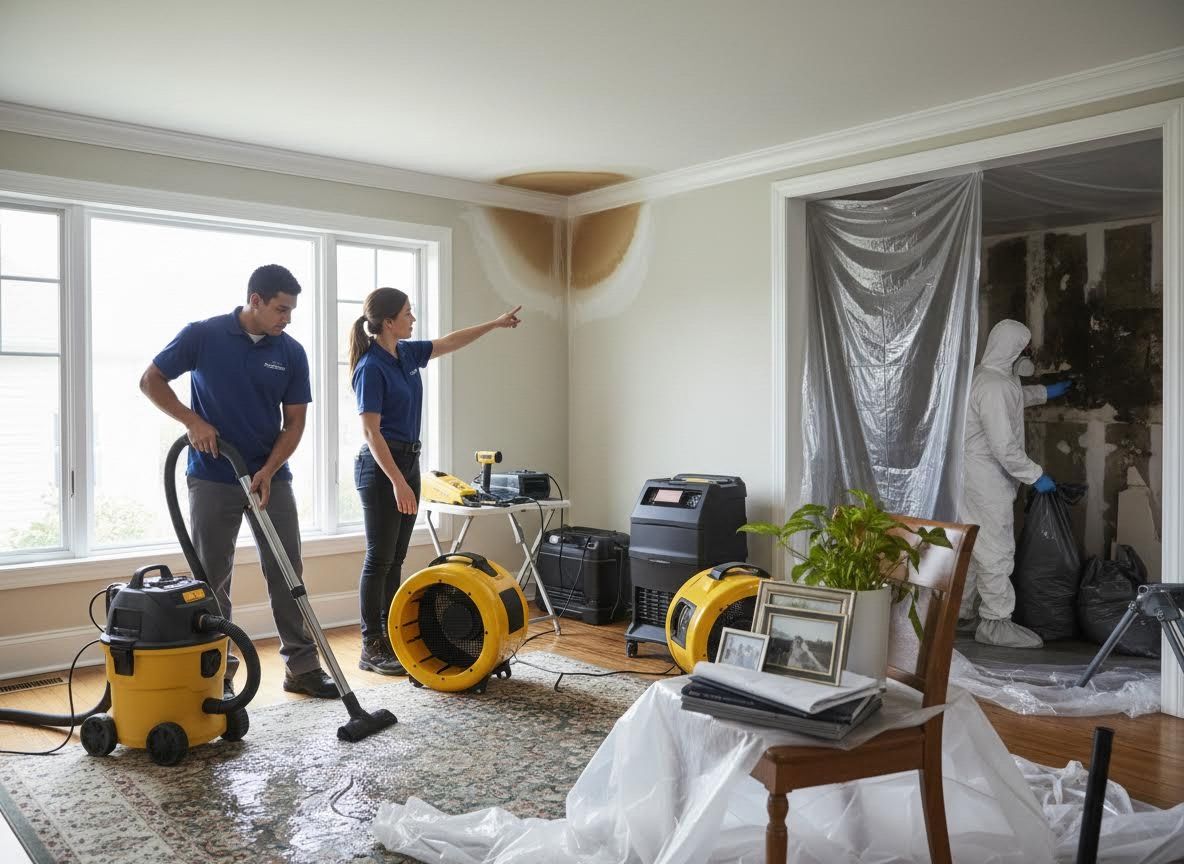
When water invades your home or business, the immediate aftermath can feel overwhelming, transforming a stable environment into a scene of potential chaos. Understanding the crucial steps for effective water damage restoration is essential for mitigating loss, preventing further deterioration, and restoring your property to its pre-damage condition. At Reno Restoration, we recognize the urgency and precision required to tackle such challenges head-on, ensuring a smooth and efficient recovery process for our community.
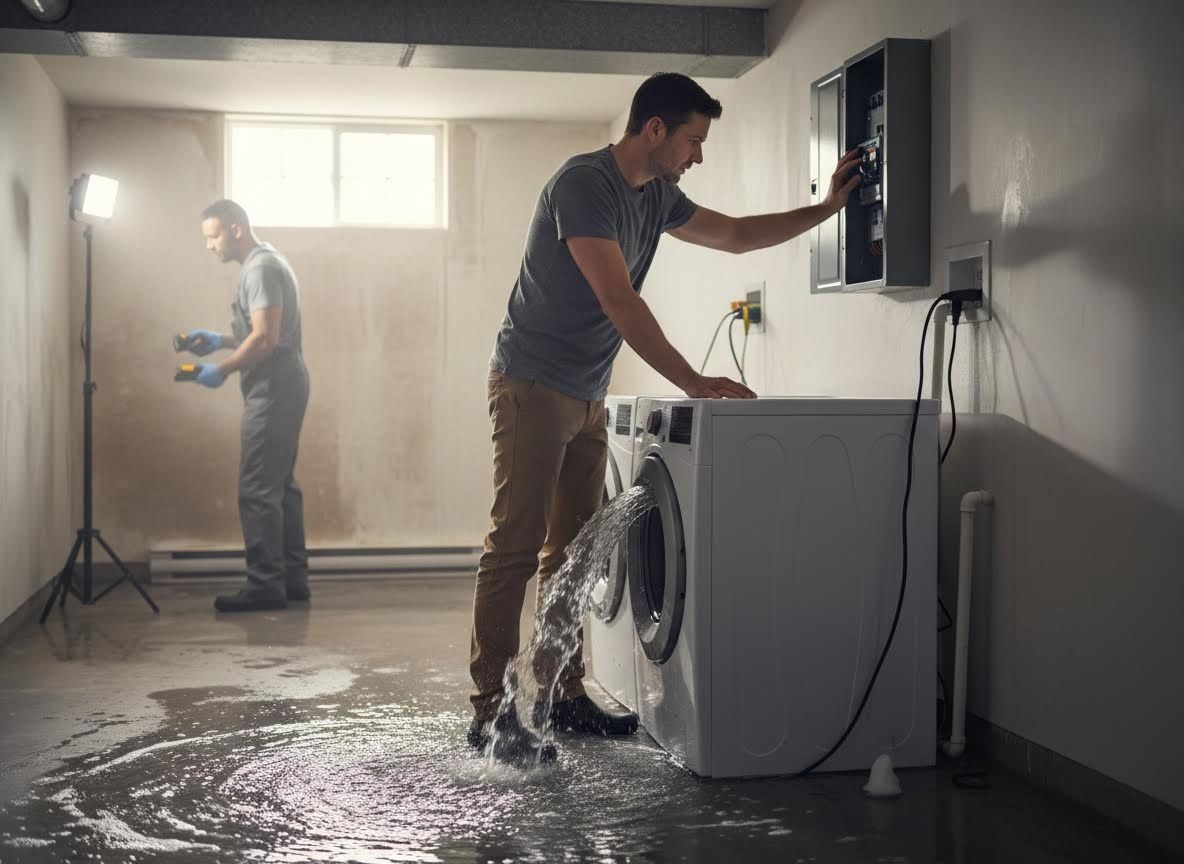
Immediate Safety and Source Identification
The very first action in any water damage scenario is to prioritize safety. This involves carefully assessing the situation for electrical hazards and, if safe to do so, shutting off the main power supply to affected areas. Simultaneously, identifying and stopping the water source is paramount. Whether it's a burst pipe, an overflowing appliance, or a roof leak, halting the flow prevents further saturation and minimizes damage. While these initial steps can be taken by property owners, it is crucial to remember that a professional assessment is often necessary to pinpoint less obvious issues, such as hidden leaks requiring thermal leak detection.
Professional Water Extraction and Drying
Once the source is contained and the immediate safety concerns are addressed, the next critical phase involves thorough water extraction and professional drying. Standing water must be removed quickly to prevent it from seeping deeper into structural elements and furnishings. Professionals use powerful pumps and vacuums to extract significant volumes of water. Following extraction, industrial-grade air movers and dehumidifiers are strategically placed to dry out all affected areas, including hidden pockets of moisture. This meticulous drying process is vital in preventing secondary damage, such as warping of materials and the insidious growth of mold. For effective water damage restoration Reno residents rely on, timely and comprehensive drying protocols are non-negotiable.
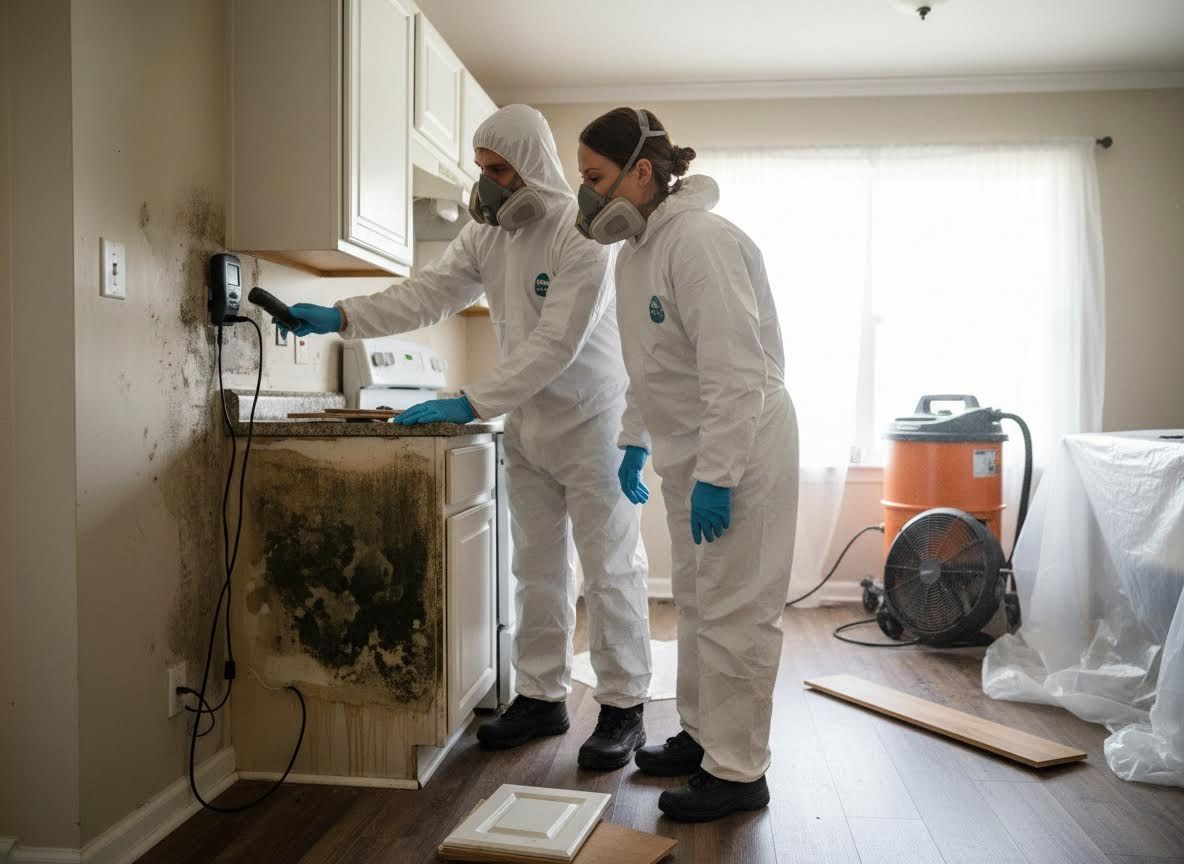
Damage Assessment and Mold Remediation
After extraction and initial drying, a detailed assessment of the damage is performed. This involves inspecting all affected materials, from flooring and drywall to insulation and cabinetry, to determine what can be salvaged and what needs to be removed and replaced. Crucially, any areas that remained wet for extended periods are at high risk for mold growth. Mold can begin to develop within 24-48 hours of water exposure and poses significant health risks as well as further structural compromise. Certified mold remediation Reno services are necessary to safely and effectively remove mold, ensuring the indoor environment is healthy and contaminant-free before any reconstruction begins. This step is critical for long-term health and structural integrity.
Cleaning, Sanitization, and Reconstruction
The final stages of water damage recovery involve comprehensive cleaning, sanitization, and reconstruction. All salvageable items and affected areas are thoroughly cleaned and disinfected to remove contaminants and odors. This is especially important in cases of sewage cleanup or Category 3 water damage. Once the area is clean, sanitized, and completely dry, the reconstruction phase begins. This can range from minor repairs, such as replacing drywall and flooring, to full-scale structural reconstruction. Managing the insurance claims process concurrently ensures that all necessary documentation is handled efficiently, streamlining the path back to normalcy.
Navigating the complexities of water damage requires a swift, systematic, and professional approach to minimize damage and restore safety. By understanding these essential steps, property owners can better prepare for and respond to such emergencies, ensuring that their homes or businesses are returned to a secure and healthy state. For comprehensive support in transforming property crisis into calm, consider consulting with restoration experts to learn more about integrated recovery solutions tailored to your needs.