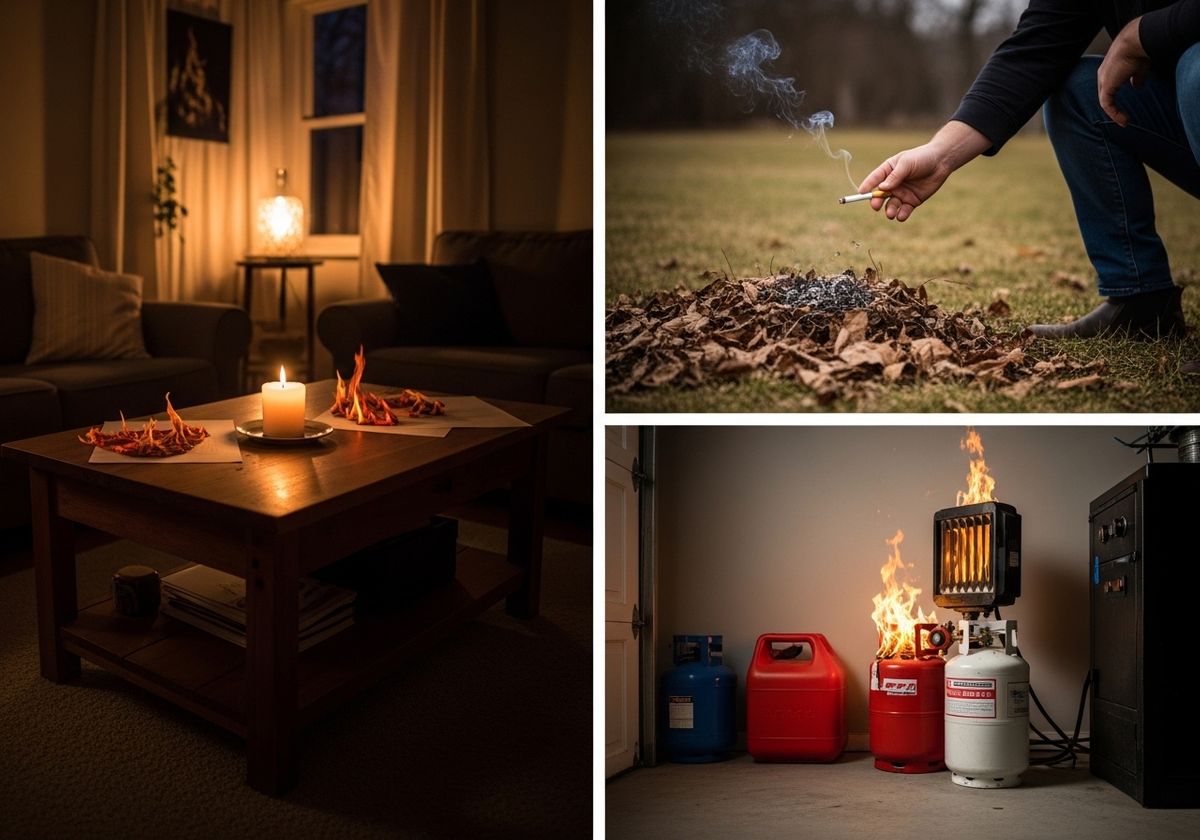
While house fires are frightening, many are preventable by addressing common hazards. By taking proactive steps, you can significantly reduce your risk and protect your home and family. Let's explore some of the most frequent causes of residential fires and how to fix them.
Kitchen Catastrophes
The kitchen is, statistically, the most dangerous room in your home for fires. Here's why:
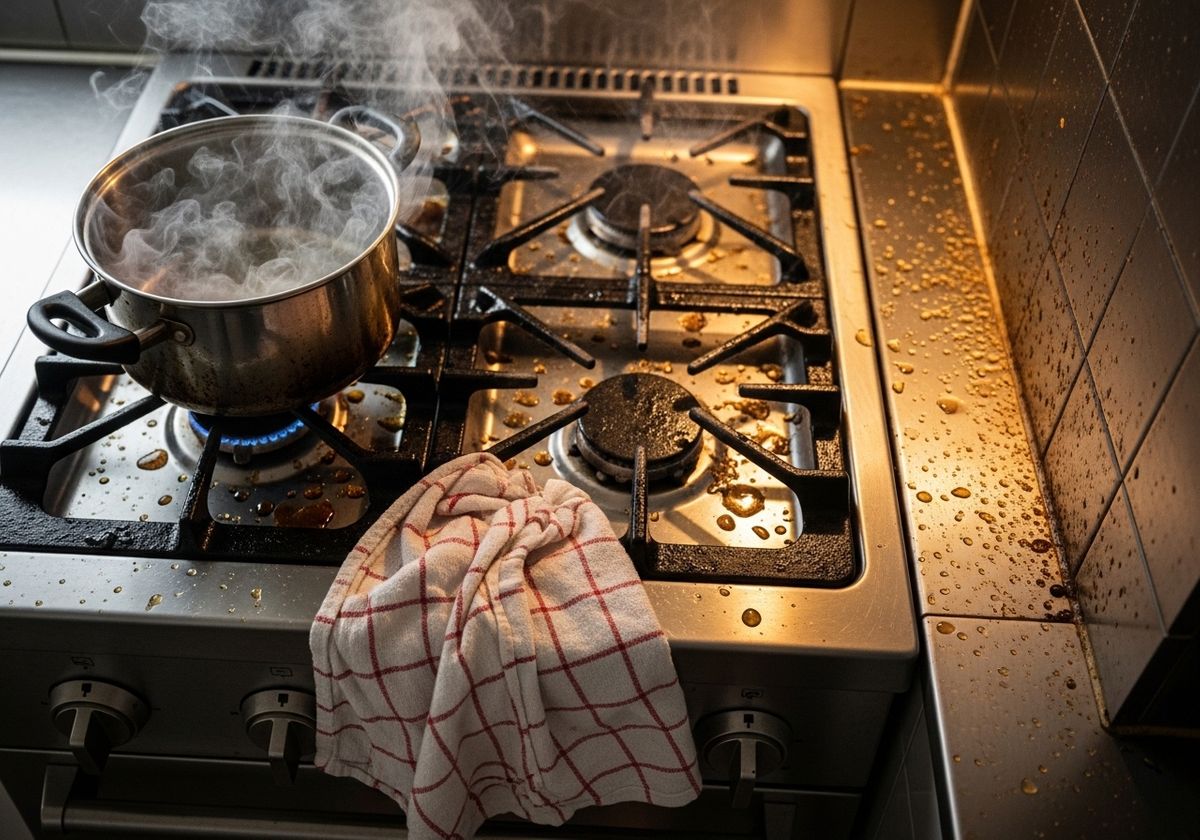
Unattended Cooking: Never leave cooking food unattended on the stovetop. If you must leave the kitchen, even for a moment, turn off the burner.
Grease Buildup: Grease splatters accumulate over time, creating a significant fire hazard. Regularly clean your stovetop, oven, and range hood to prevent grease fires. If a grease fire starts, NEVER use water to extinguish it. Cover the flames with a metal lid or use baking soda.
Flammable Items Near the Stove: Keep towels, paper products, and curtains away from the stove. These items can easily ignite if they come into contact with a flame or hot surface.
Electrical Issues
Faulty wiring and overloaded circuits are major fire risks. Consider these points:
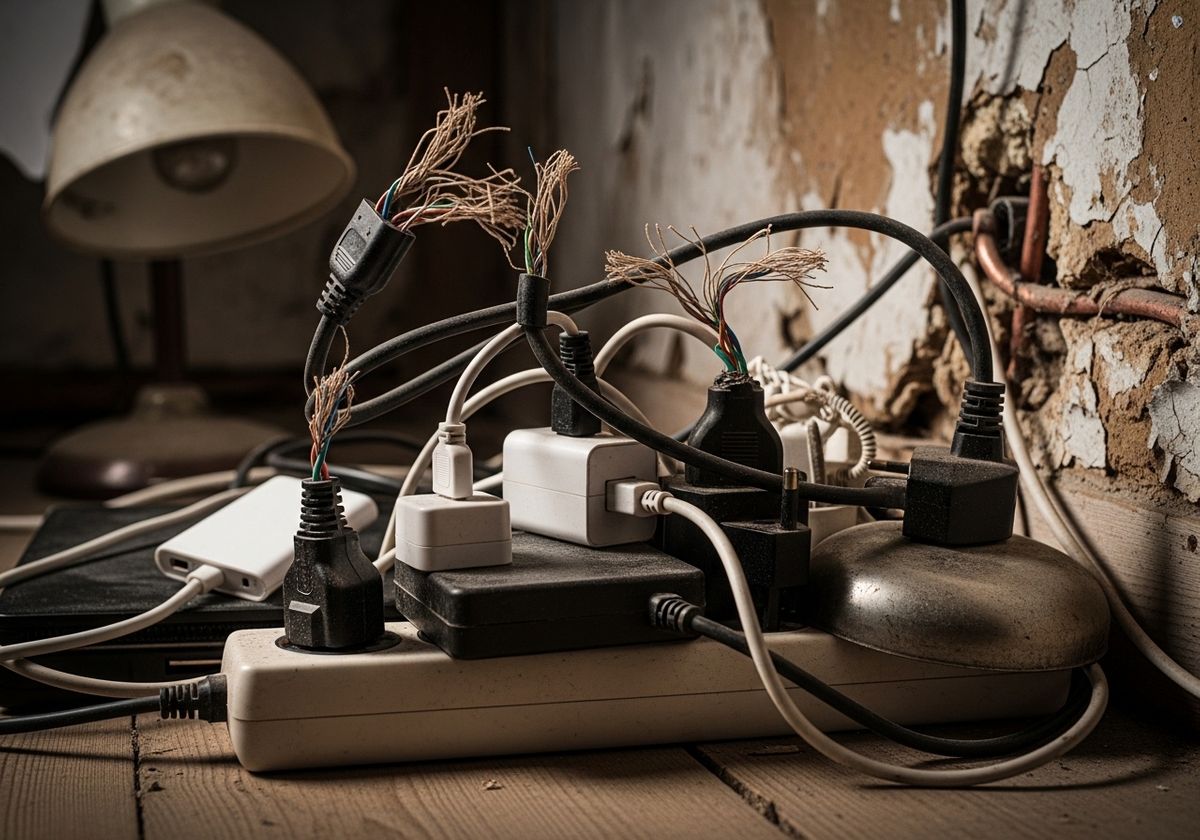
Overloaded Outlets: Avoid overloading outlets with too many plugs. Use power strips with surge protectors to distribute the load safely. Never use extension cords as a permanent solution.
Damaged Cords: Inspect electrical cords regularly for damage, such as fraying or cracking. Replace damaged cords immediately. Do not attempt to repair them yourself.
Outdated Wiring: If you live in an older home, have your electrical system inspected by a qualified electrician. Outdated wiring may not be able to handle the demands of modern appliances.
Heating Hazards
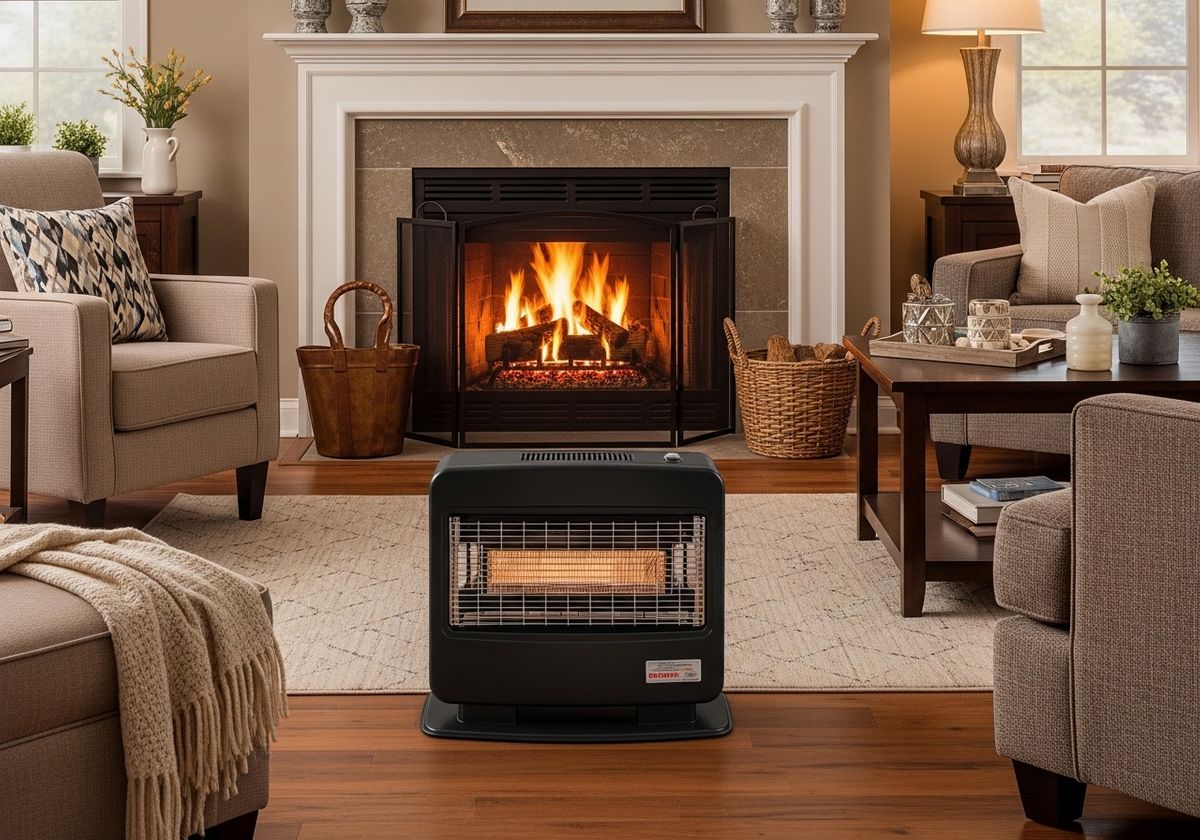
Space heaters and fireplaces can be cozy but also pose fire risks if not used properly:
Space Heater Safety: Keep space heaters at least three feet away from flammable materials, such as curtains, furniture, and bedding. Never leave a space heater unattended and turn it off when you leave the room or go to sleep.
Fireplace Maintenance: Have your chimney cleaned and inspected annually by a professional. Creosote buildup can ignite and cause a chimney fire. Use a fireplace screen to prevent sparks from escaping into the room.
Other Potential Dangers
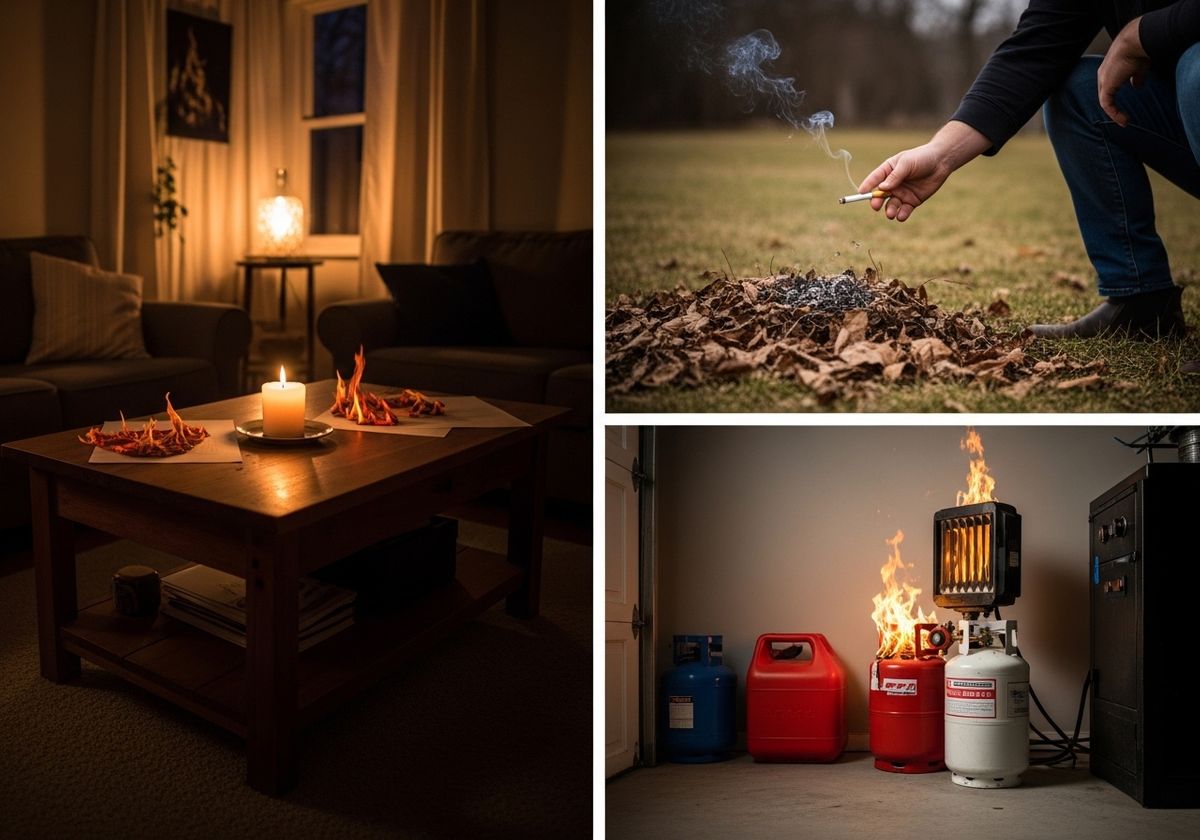
Smoking Materials: If you smoke, do so outside and dispose of cigarette butts properly in a sturdy ashtray filled with sand or water. Never smoke in bed.
Candles: Never leave burning candles unattended. Keep them away from flammable materials and place them on a stable surface.
Flammable Liquids: Store flammable liquids, such as gasoline and propane, in approved containers and away from heat sources. Never store them inside your home.
Taking these steps can significantly reduce your risk of a house fire. Remember, prevention is key to protecting your home and family.
By addressing these common fire hazards promptly, you create a safer environment for yourself and your loved ones. Should the unexpected occur, remember that Reno Restoration provides comprehensive fire damage restoration Reno services. From smoke odor removal Reno to full structural repairs, we're here to help you recover. Contact us today for more information on how we can help you protect your property and restore your peace of mind, or for immediate assistance with water damage restoration services and mold damage removal Reno.